
You can also find my maps on DriveThruRPG & Roll20 or Login with Patreon
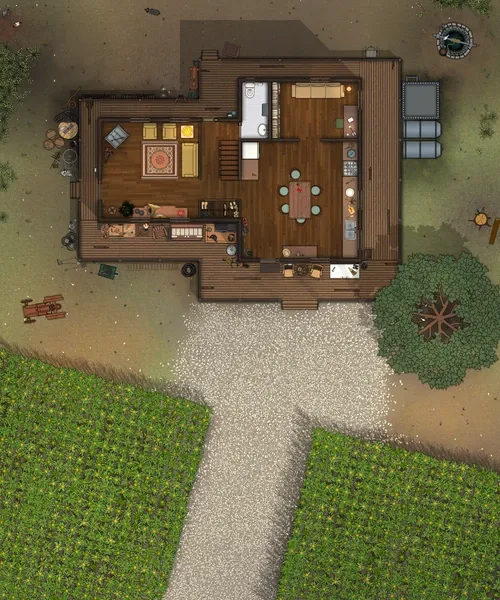
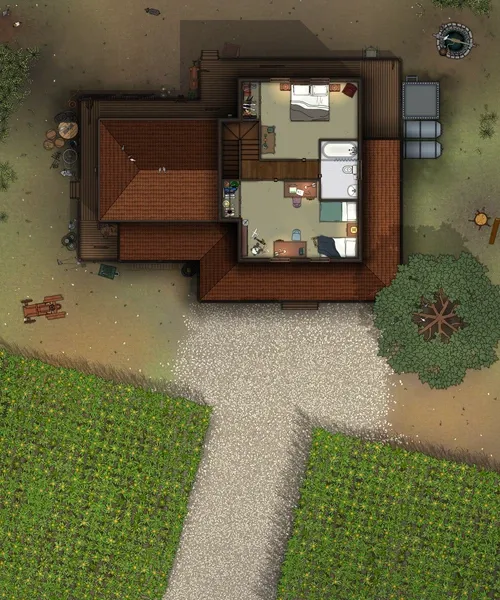
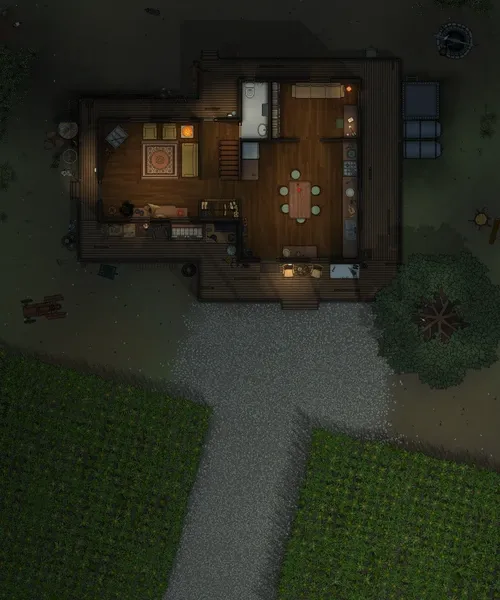
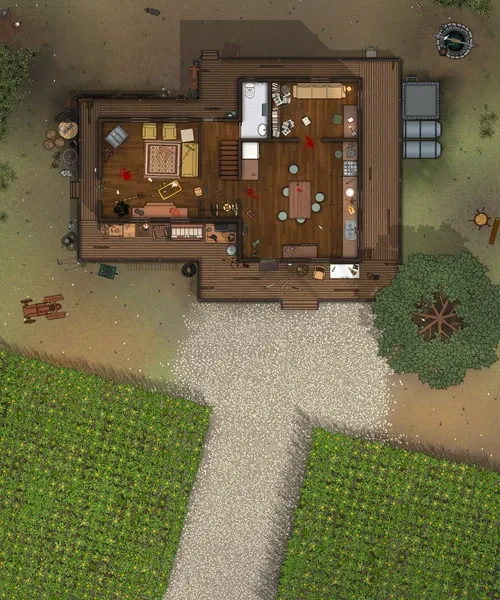
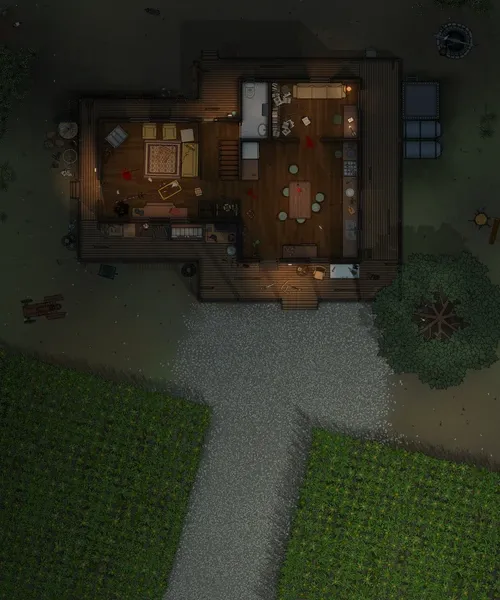
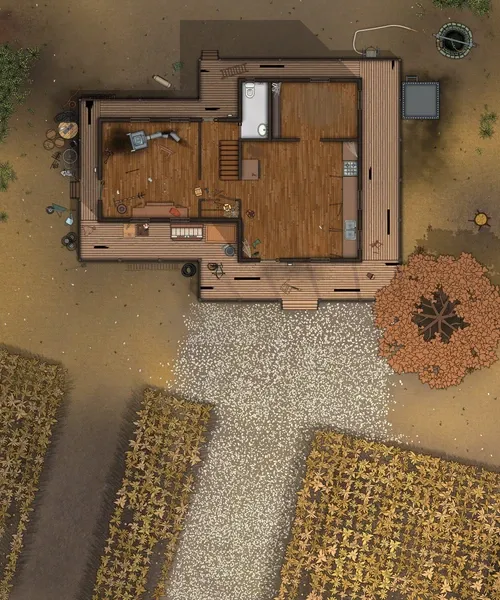
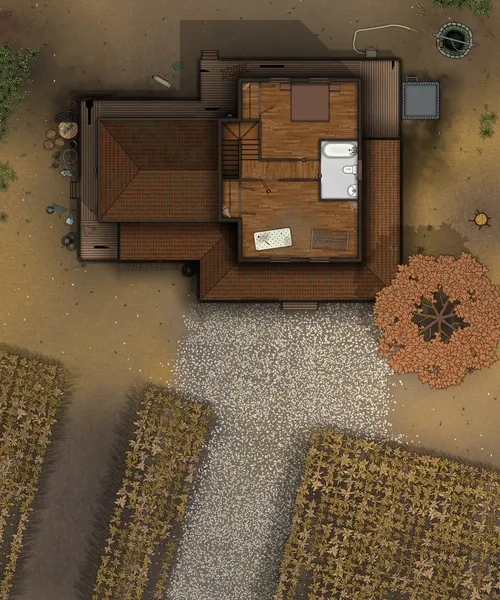
Why does the corn in the south field stand twelve feet high in a drought that has cracked every neighbour's rows to dus? What does the eldest Curwen draw up from that well each harvest? Why does the big tree by the house keep its swing turning when no wind troubles the corn, and why does every hand who comes to husk at dusk leave one row uncut as though something walks among the stalks to be counted? What is kept in the sealed jars on the pantry shelves, each card dated and named in a hand that has not changed in two centuries?
Follow Cthulhu Architect on BlueSky!
You could say whatever you wanted to about organic fertilizer, but there was something almost fragrant about it when the spreader was laying it down in the fields. Not one of your great perfumes, God no, but when the late-afternoon spring breeze would pick up and waft it over the freshly turned fields, it was a smell with good associations. It meant winter was over for good. It meant that school doors were going to bang closed in six weeks or so and spill everyone out into summer. It was a smell tied irrevocably in his mind with other aromas that were perfume: timothy grass, clover, fresh earth, hollyhocks, dogwood.
— Stephen King, Children of the Corn
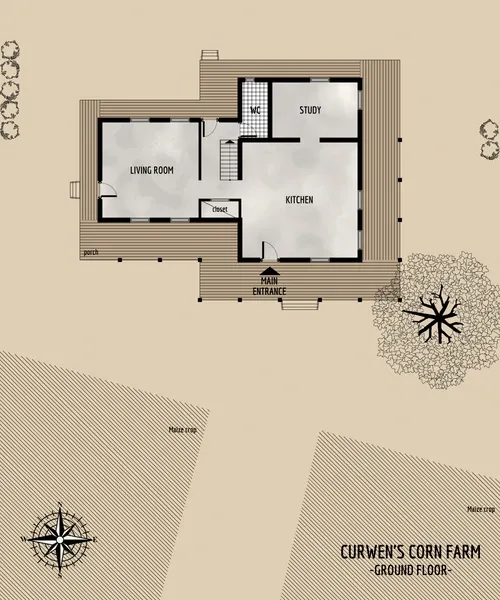
Ezra Crane had walked every farm between Aylesbury and Arkham for the county agricultural census and never once miscounted a head of cattle or a bushel of seed corn. The Curwen place, three seasons fallow by the tax office’s reckoning, was meant to be a five-minute entry: acreage, outbuildings, declared crop, and out. But the corn stood twelve feet high and greener than any August had a right to be, and the rows, when Ezra traced them from the yard, did not run the way a plowman lays them. They curved inward, like the spokes of a broken wheel, toward the old stone well that stood between the house and the field.
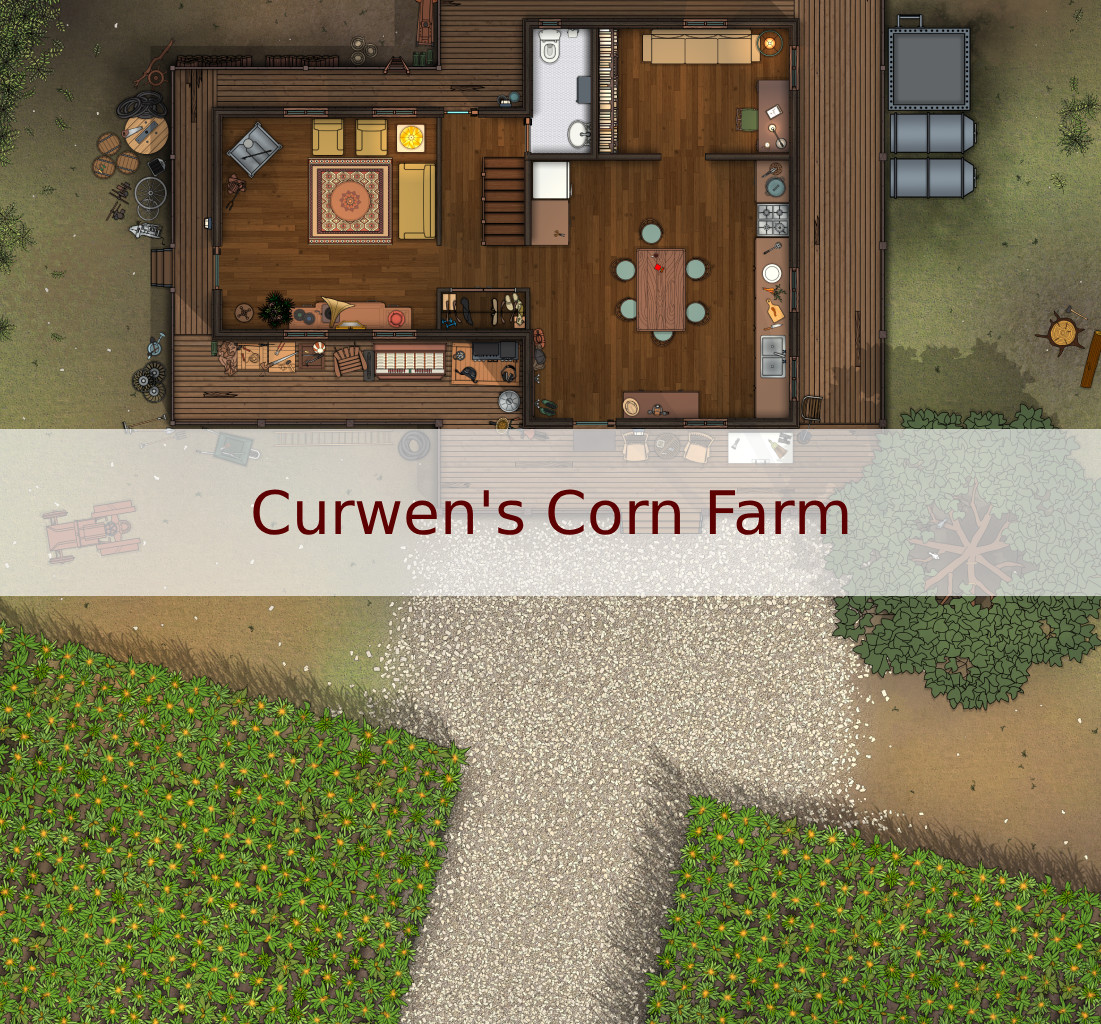
The farmyard held its own wrongness. A great tree shaded the front of the house, and from its lowest limb hung a swing whose seat was worn smooth and whose ropes still twisted, slowly, though no wind troubled the corn. The well beside it had been capped in the tax office’s inventory, yet its cover lay to one side and the water inside stood far higher than the season should have left it, clear and still and tasting, when Ezra dipped a finger, of saltpetre and something older. On the porch he found a crock waiting, half-full of kernels that were not yellow but the grey-white of something long dried and soaked back to softness, labelled in a hand that predated the township.
He found the Curwen boy in the kitchen, shelling more corn into a second crock with the patience of a man who had been at it a long while. The boy greeted him by name, though Ezra had given none, and asked whether he had come for the census or for the collection. On the pantry shelves behind the boy stood a rank of sealed jars, each fixed with a card bearing a date and a name—names Ezra half-recognised from the churchyard up the hill, where the stones were older than the Republic.
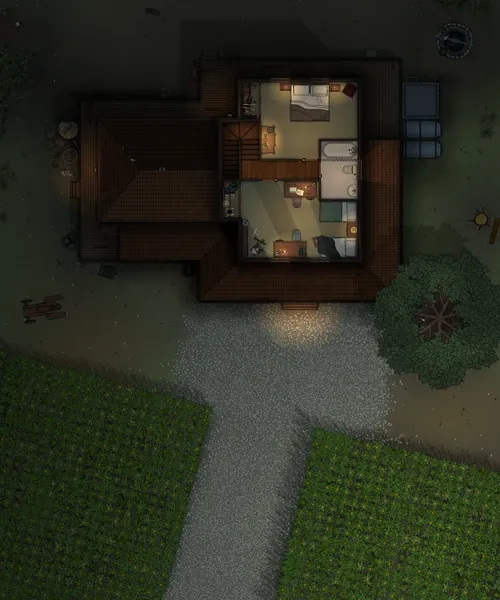
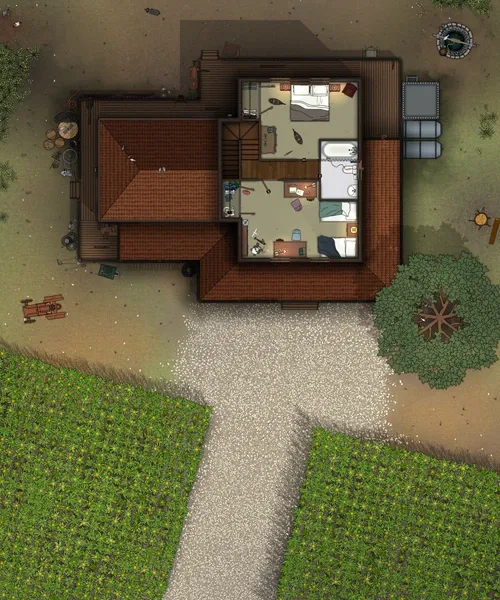
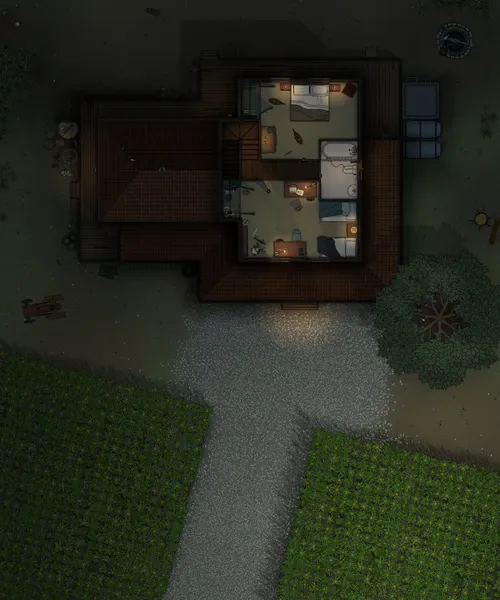
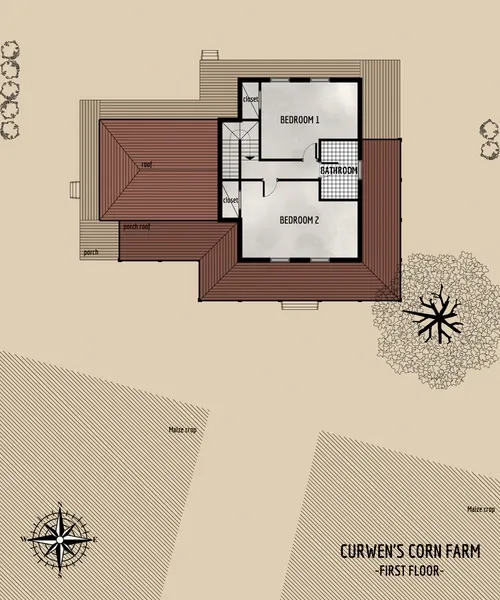
Upstairs, where the Curwens kept their books, Ezra found a room lined with ledgers identical to his own, the cracked spines dated back beyond the founding of the county. The most recent, left open on the stand, listed every parcel within twenty miles alongside a column marked “saltes” and a running tally that crept toward a sum Ezra could not parse. Beside it lay a chart of the field’s rows, each one annotated with a name and a date of interment, the newest entry dated that morning—a burial the churchyard had no record of.
He should have left then. But the boy called from below that the collection was waiting, and when Ezra came down to the yard he found the swing stilled at last and the crock from the porch now standing full at the well’s edge, and the Curwen boy drawing the rope up hand over hand with the slow, practised ease of someone hauling up a harvest kept where the frost never reaches. The smell that rose from the well-mouth was of turned earth and saltpetre and something patient beneath both, and the water, which had stood clear a moment before, moved as though something in it were turning toward the light.
At dusk the county clerk found Ezra’s census entry waiting on the farmhouse porch, completed in his own hand, the Curwen acreage now noted in full and the declared crop updated to a word the clerk did not recognise and did not care to write down. The pantry had gained another jar. The swing by the tree was turning again, slowly, though there was no wind, and the well stood open and quiet, its water settled and clear as a mirror. And the corn, which had not finished the morning in the crock, stood husked and grey-white at the well’s edge—ready for whatever the Curwens had been salting and saving it for across the long generations of their keeping.



Your cart is empty
Browse Maps