You can also find my maps on DriveThruRPG & Roll20 or Login with Patreon
Why does the clerk at the Information desk answer every question about Braintree except who directs her, and why is her ledger written to the end of the year in a hand that has not changed in sixty years? Why do the council minutes in the museum sit under glass like relics, when the last session they record has not yet been held? Why does the Roll of Honour in the foyer carry names of men still living, and why does one more name go up every year? Why do the typists work past the lighting of the lamps, and why do their rate books hold entries dated ahead for every soul in Braintree? Why does the museum's model of the town show the Square laid out for a procession that no one remembers walking in? Why is the storage room shelved and crated for accessions the collection has not made, and why does the museum keep one plinth empty, of an exact size, already labelled? What is debated on the nights the building stands empty, and why does every session close on the same resolution, carried without dissent, that the town be continued?
Follow Cthulhu Architect on BlueSky!
The past is a foreign country: they do things differently there.
— L. P. Hartley
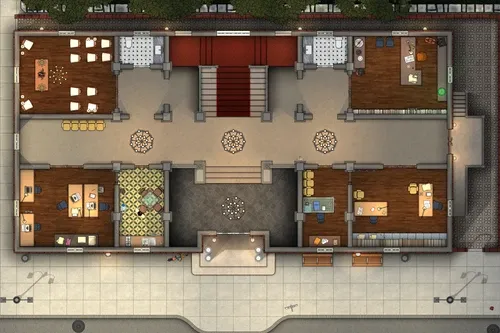
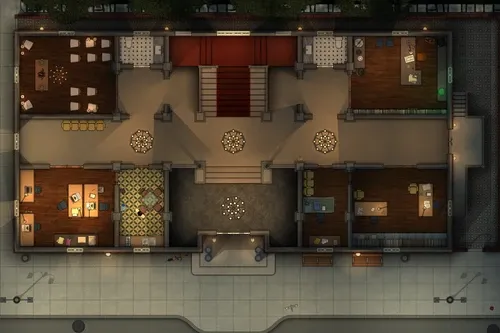
The Braintree Urban District Council advertised for a secretary, which was the first strange thing, since the minute book recorded no resignation and no death, and the office of Mr. Pask, who had kept the minutes for forty years, was not said to be vacant; but the advertisement had run three weeks in the Essex papers, and Arthur Prentis, four years a junior clerk in a London counting-house and tired of ledgers that only went one way, came out from Liverpool Street, changing at Witham, to take up the post. The town hall stood where the Square narrowed, a plain decent building of two floors, its main doors opening on a foyer of terrazzo and brass: benches for the ratepayers, the noticeboard of meetings, the Roll of Honour in its frame, and the Information desk; and the clerk at the Information desk had his letter out and his keys ready before he had said his own name.
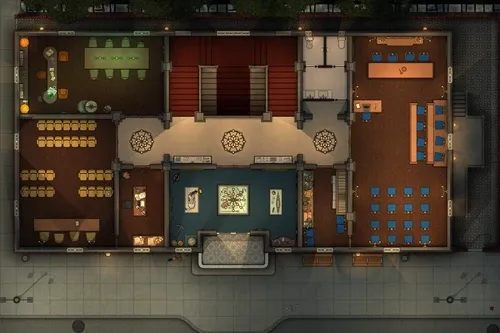
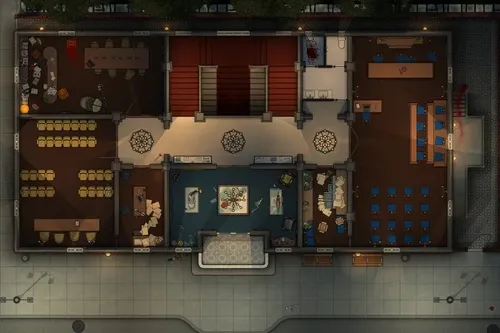
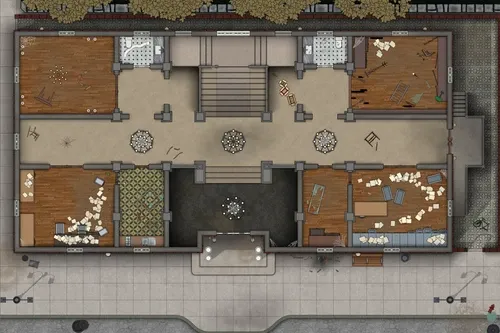
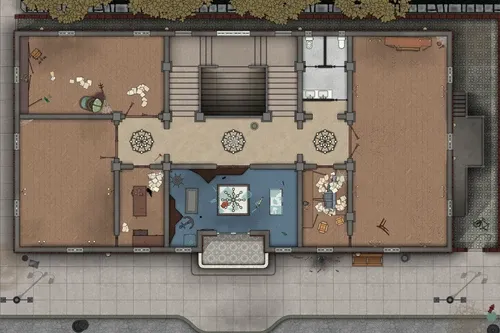
Miss Wray gave him two keys—one for the secretary’s office on the first floor, one for the drawer that held the minute book—and told him the chairman would see him when the chairman was next in the building. Asked when that would be, she consulted the meetings ledger and said, with the mild apology of a railway clerk, that the chairman was always in the building and never in it, that the same was true of the mayor, upstairs, whose office was kept dusted and its chair pulled out at a reading angle, and that both entries, in her ledger, were correct. His office was a small room between the grand stair and the museum, with a desk, a lamp, and four trays: incoming, outgoing, and two marked only in the upright hand, one for notes, and one, deeper, marked not to be opened until minuted.
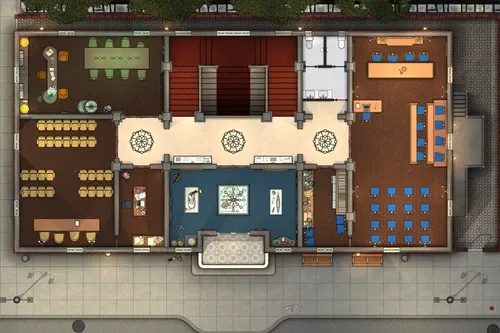
He began, as a new man does, with the museum. It had the best light on the landing: the old charter under glass, the fire-hook of the first hall, the town’s plate in its case; and at the centre, on its own table, the model of Braintree—every roofline of the Square, the four streets out of it, the town hall itself with its balcony and its little red stair—and the Square of the model was laid out, in white metal figures, for a procession. The accession labels were careful and sequential, and the last three were dated ahead: one for the following month, one for the month after that, and one for the first Tuesday of the month after next, which was not a date the collection could account for.
_The work was the minutes. The notes in the first tray were shorthand of a kind, and the fair copy was to be made in the minute book, in the upright hand; the hand, Miss Wray said, was the council’s and not any man’s—it had not changed in sixty years and would not change now. The meetings the notes recorded sat on Tuesdays, and the Tuesdays ran ahead of the calendar. The typists on the ground floor stayed past the lighting of the lamps, the tea things in their break room were washed and set for a morning that was always tomorrow, and the Small Venue was let on Fridays for dances that the foyer noticeboard posted a season before they were danced. In the typists’ shelves were the rate books, bound in blue, one to the year; he took down the current volume and found every household in Braintree entered in the upright hand, many of the entries dated ahead, and himself among them—Prentis, Arthur, lodgings over the ironmonger’s in the Square, salary by the quarter—and beneath his entry, in the same upright hand, a second line he had not made: for the first Tuesday of the month after next, _secretary, one, for accession.__
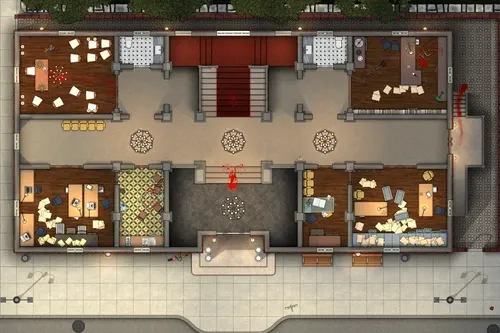
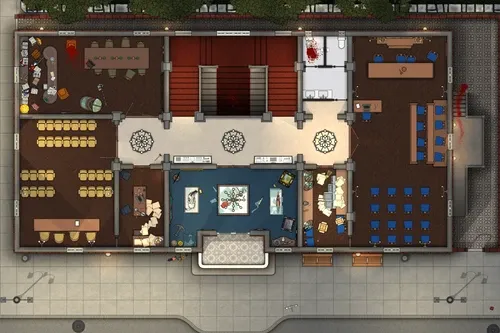
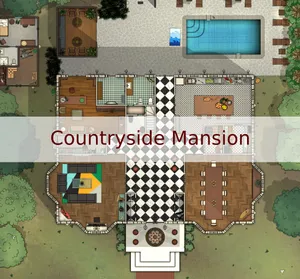
The rest of the building kept itself, and kept account of him. The Committee Room stood ready with its rows of chairs for the hearing of things, and the minutes recorded hearings that had not yet been demanded. The Chairman’s office held two chairs: one behind the desk, and one beside it, drawn up at the angle of a listener; the chairman’s, Miss Wray said; the chairman liked to hear the minutes read aloud, and was always present at their reading, and never seen at it. In the office along the south front, the clerks filed correspondence that was dated ahead of its postmarks, and the storage room off the museum landing was shelved and crated for accessions the collection had not made, one compartment of an exact size, braced, and waiting.
He stayed past the lighting of the lamps his first week, and at nine the building began, overhead, to sit. He heard the bell of the chairman, the murmur of the horseshoe, the votes taken, the reading of the last minutes. The Council Chamber was empty when he opened its door: the desks in their horseshoe unoccupied, the chairman’s raised chair dark, the public benches bare—but the carafes were poured, and the minute book lay open on the secretary’s table at a fresh page with the night’s date at its head, in the upright hand. He sat down in the secretary’s place and took the minutes as he heard them. The debate was always, at the last, the one item: the state of the town, and the disposition of its exhibits; and every session closed as every session had closed for sixty years, on the same resolution, put by the chairman and carried without dissent: that the town be continued, and the record kept.
The Roll of Honour in the foyer accounted for the rest. He counted its names against the parish register and found among the fallen men still living in the Square, and boys still at school, and one name fresh in the paint. Each year, on the town’s day, the balcony doors were opened over the entrance, the procession formed below exactly as the model had it, and the town turned out to hear a name read from the roll; and the man whose name was read stood among the crowd with his head bowed, and went home, and was not entered in the rate book again. No one in Braintree, asked afterward, could recall attending; there was no account of the day anywhere in the building but the minutes; and the minutes, Miss Wray said, were complete.
He found Mr. Pask at last in the museum, where he had been for forty years: accessioned, complete, and labelled, one clerk, retired. Beside the model, under the best light on the landing, stood the empty plinth the collection could not account for, of an exact size, with a fresh label. He did not resign. The office of secretary to the council of Braintree is a going concern; the trays are filled, the Tuesdays are held, the dances of the spring are posted, and the second line beneath his name waits in the blue book for its date. On the first Tuesday of the month after next, Arthur Prentis kept his appointment, though he does not remember walking to the museum—only standing where the label says, upright, complete, and continued.
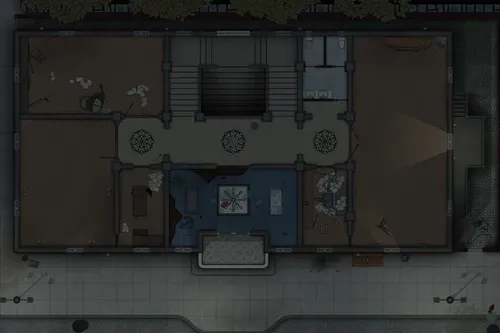
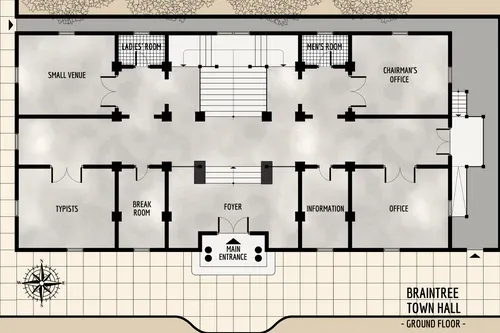
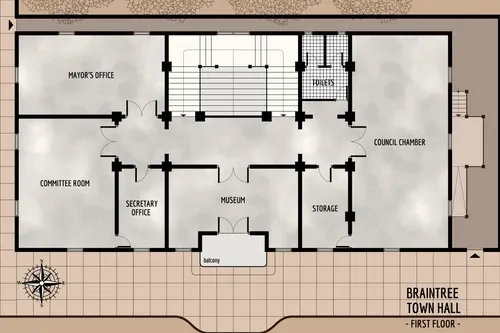
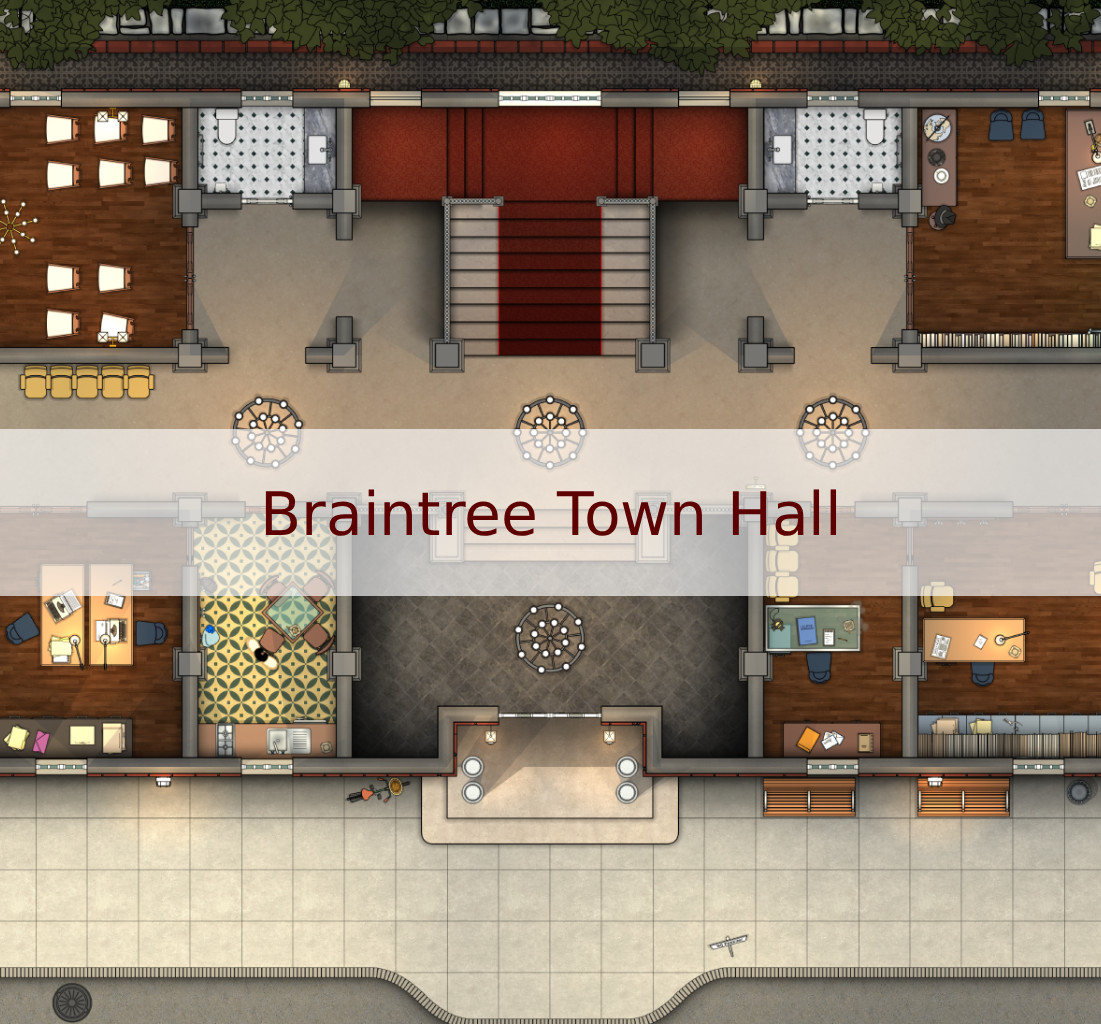


Your cart is empty
Browse Maps