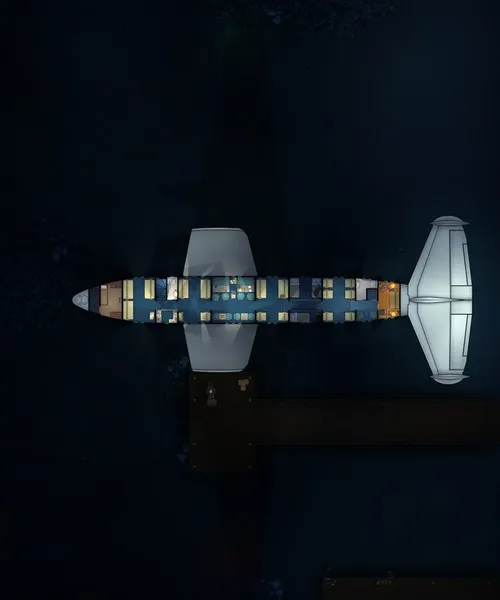
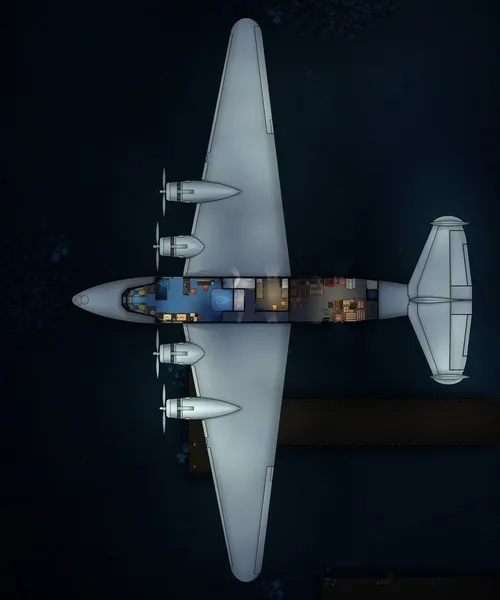
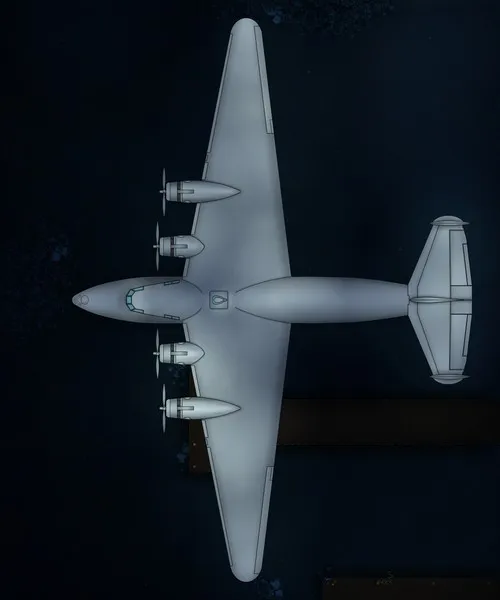
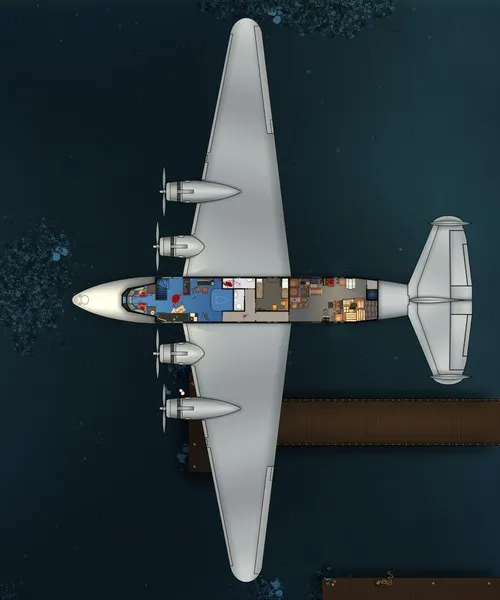
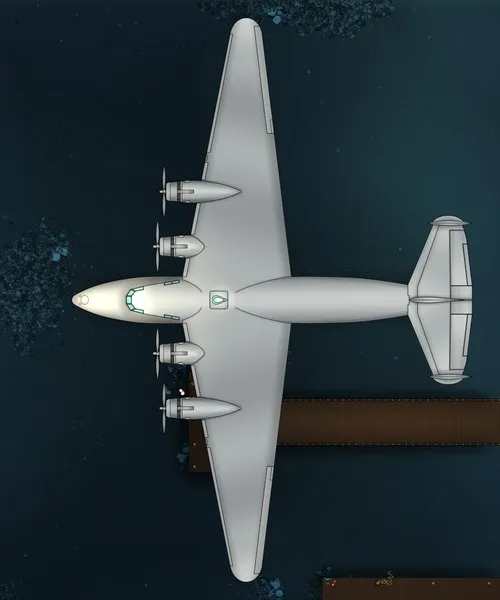
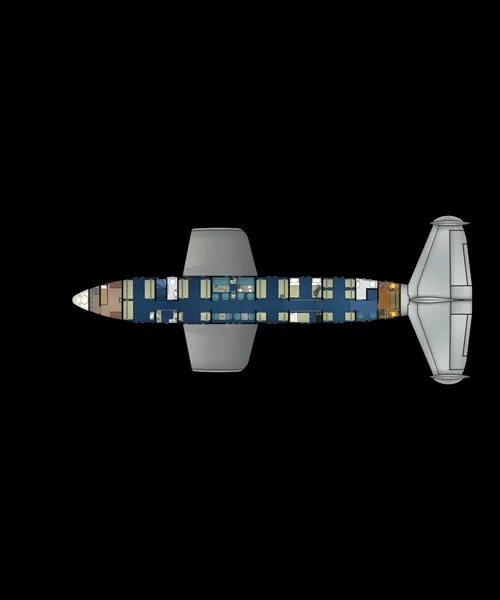
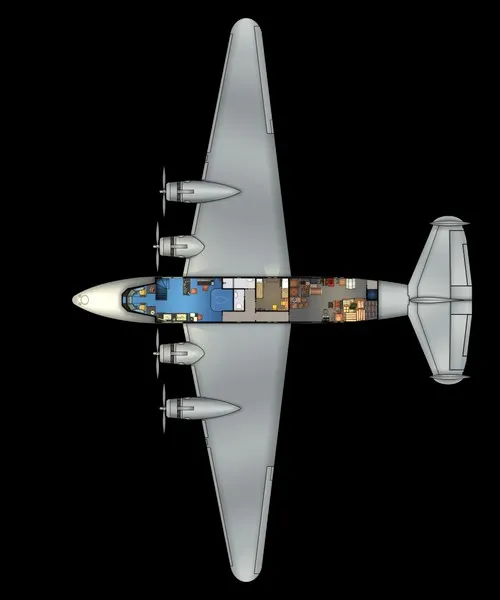
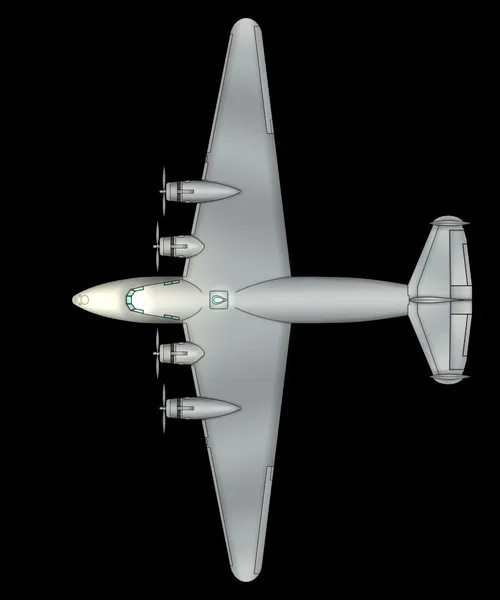
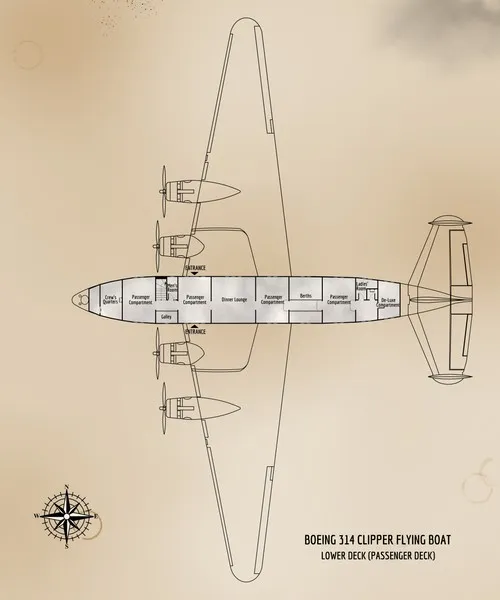
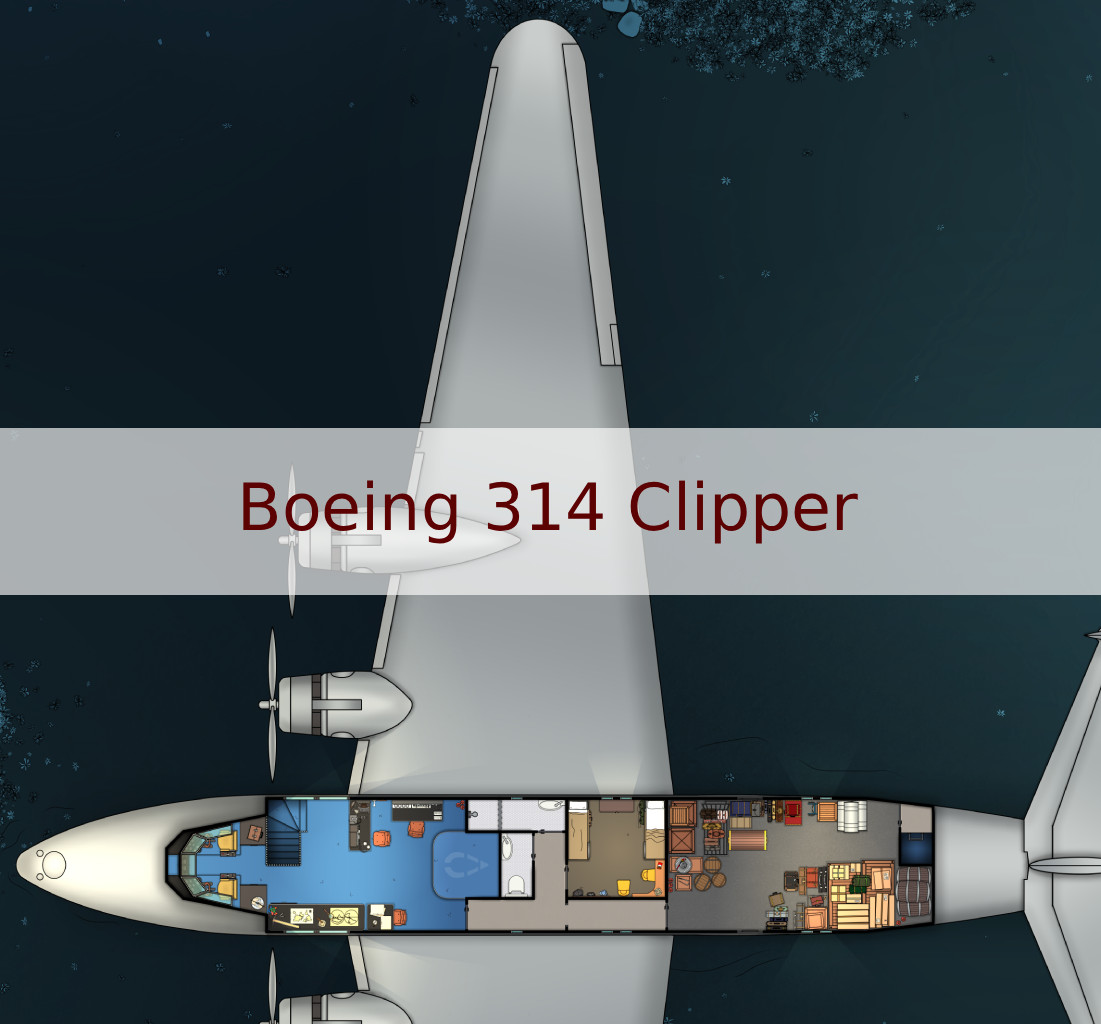
Why does the Boeing 314 Clipper at Mooring Buoy 13 keep taking on passengers after the final manifest is closed? Why do first-class travelers board in silence while the harbor radio reports no scheduled departure? What destination is stamped on the Pan Am tickets that no purser will read aloud? Why do the wing-mounted lanterns glow over black water where no shoreline exists? Why does the ocean outside the terminal windows reflect constellations no navigator can chart? And why does the boarding whistle keep sounding your name long after the flying boat should be airborne?
Follow Cthulhu Architect on BlueSky!
“There are numerous long term health issues associated with airplane explosive decompression.”
― Steven Magee
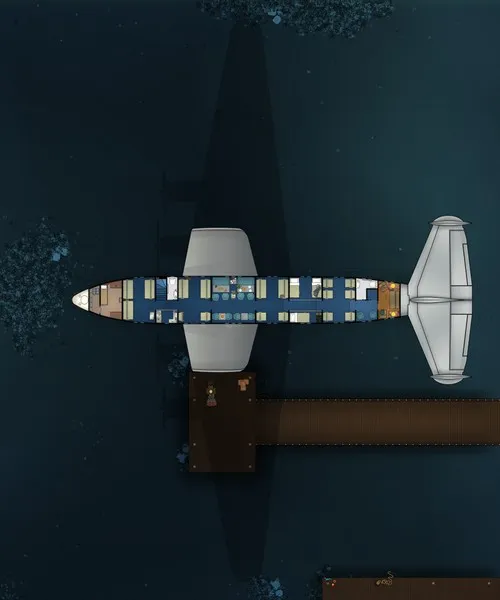
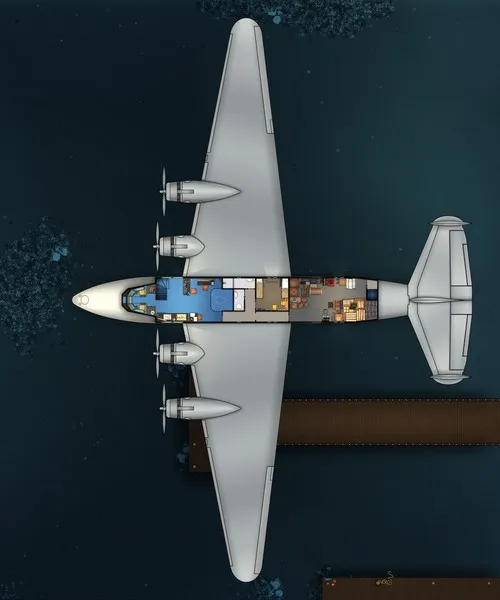
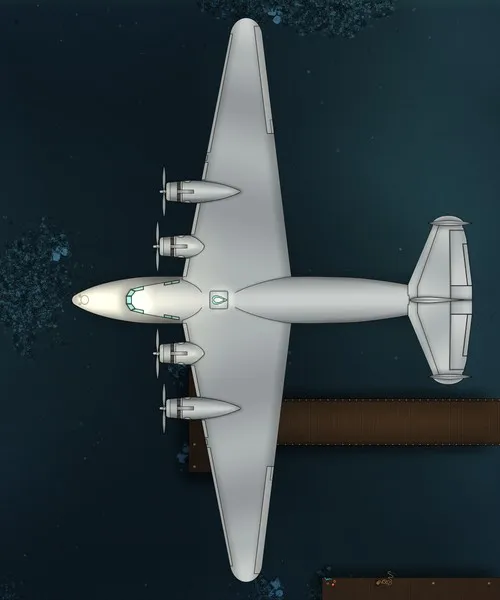
Meredith had worked the night desk at Clipper Terminal 13 for six months before she noticed the pattern. Passengers arrived with valid Pan Am tickets, checked trunks stamped with foreign ports, and waited in perfect silence beside the seawall. When boarding began, they crossed the wet gangway to the Boeing 314 and vanished from every arrival ledger. The station manager, Mr. Smith, called it a manifest delay and told her to keep clipping stubs. But Meredith had seen their faces go glassy when the harbor foghorn sounded from nowhere, as if something beyond the breakwater was calling them by name.
It was the chart board that first made her suspicious. Just before dawn, Mr. Smith would wipe Flight 13 from the slate and write ON TIME, even on nights when no departure had been posted. The destination field above the dock changed between glances, letters smearing into symbols she could not pronounce. Whenever she tried to read the route aloud, the room went cold and the radio in the corner hissed like a living thing.
The terminal itself seemed to shift with the tide. Mooring assignments swapped places between rounds, fuel tenders idled beside empty water, and boarding bells rang from speakers that had been disconnected years ago. Roped lanes narrowed and widened on their own, guiding no one toward locked service doors that should have opened to storage closets, not narrow stairwells descending beneath the harbor.
The hangar windows were the worst. In the still hours before sunrise, Meredith would catch her reflection waving passengers forward while she stood motionless, lifting the ticket punch while her hands rested at her sides, smiling a second too late. Mechanics blamed fatigue, but she noticed how the dock crews refused to secure Clipper 13 directly, leaving gear on the planks and backing away without turning their backs on the water.
The night everything changed, a couple arrived already carrying first-class tickets with no company seal. They looked ordinary and tired, speaking softly in accents she couldn’t place, but when Meredith stamped their passes the date embossed next week’s sunrise. As she handed them back, the woman’s fingers brushed hers, and Meredith felt a cold pressure like drowned rope tightening around her wrist. The couple thanked her, stepped onto the gangway, and boarded before Mr. Smith gave the call.
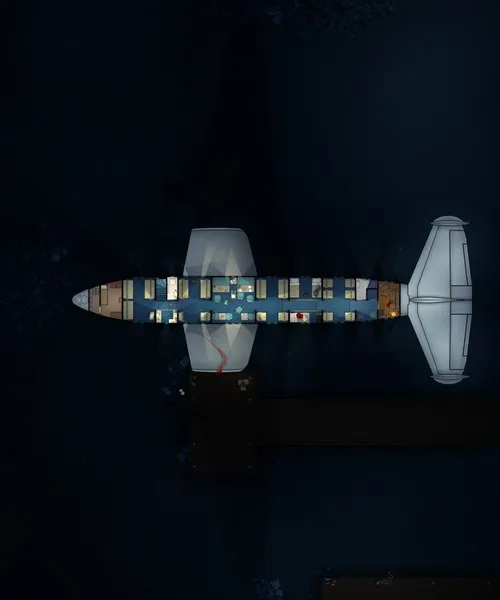
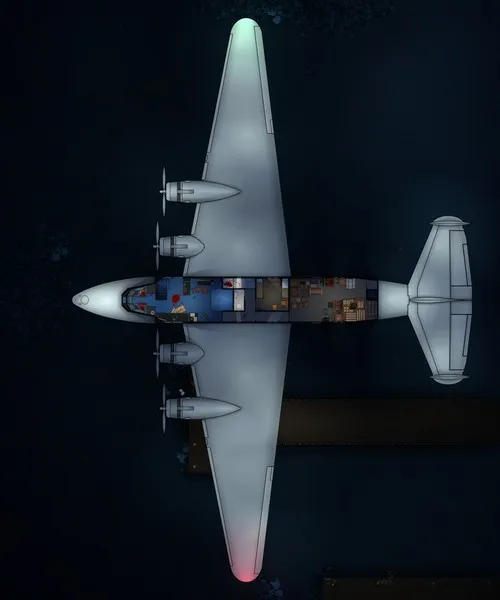
By three in the morning, Meredith heard screaming from the flying boat’s lower deck. She tried harbor control, but every line rang into static and distant surf. When she reached the dock, the shoreline had changed. Pier 13 sat where Pier 9 should have been, neighboring moorings opened onto slips far too large for the basin, and the black water beyond the buoy lights reflected stars that did not belong to any sky she knew.
The couple never appeared in any customs book. Mr. Smith marked them as boarded and told Meredith never to ask where Flight 13 landed. After that, the hangar glass began showing her older and bent with exhaustion, as if decades passed between whistle blasts. When she tried to leave at dawn, she found herself back at the desk with a fresh stack of manifests already in her hands.
She tried to quit the next day, but Mr. Smith only smiled and handed her a new station jacket with PAN AM stitched over the pocket. “You’re part of Clipper 13 now,” he said, voice soft and absolute. “It keeps departing whether it arrives or not. You can call names, or it will call yours.”
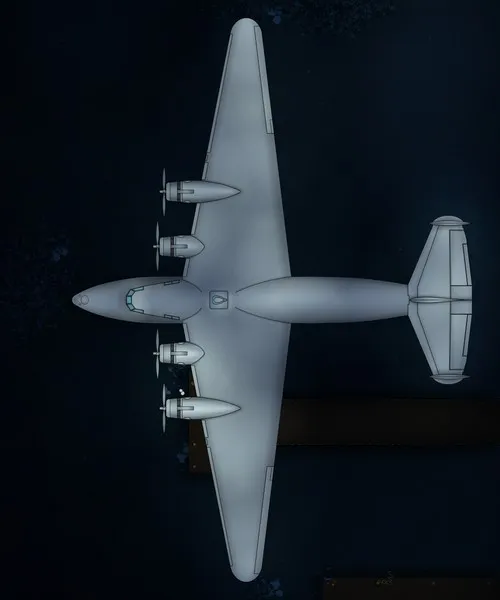
Meredith returned that night because she had no choice. The Boeing 314 waited at its buoy, lanterns glowing over water too deep for the harbor charts, and whatever accepted passengers aboard Flight 13 had been waiting for her all along. Each shift, the road home seemed farther away while the gangway stood closer. Soon, she knew, she would forget there had ever been anything beyond the fog, the sea, and the impossible departures that never touched shore again.




Your cart is empty
Browse Maps