
You can also find my maps on DriveThruRPG & Roll20 or Login with Patreon
Why does a mission that turns no one away keep a register in which some lines are written before the men arrive, and why is a bed already made up for visitors no letter has announced? Why does the green lamp in the office burn through the small hours, when the two street lamps before the door die together at ten, and the lamplighter has stopped writing it down? Why are the long tables of the main room laid for forty souls when the house never holds twenty, and why does the piano play the evening hymn with its lid shut? Why do the men of the dormitories sleep with their faces toward the window and rise, all together, without a bell? Why does the storage room hold a bundle and a pair of boots for every man said to have gone on ahead, and one compartment of an exact size, braced, and empty? What is sung on the nights the shutters are drawn, and why does every service end on the same hymn, sung without a hymnal: that the dark be kept, and the beds be ready?
Follow Cthulhu Architect on BlueSky!
Into his mind floated pictures of alien orbs with great stone towers, and other orbs with titan mountains and no mark of life, and still remoter spaces where only a stirring in vague blackness told of the presence of consciousness and will.
— H.P. Lovecraft, The Haunter of the Dark
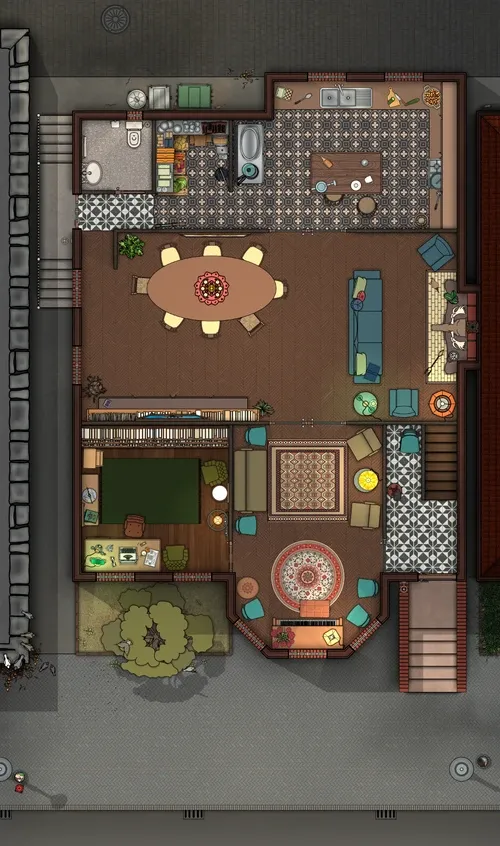
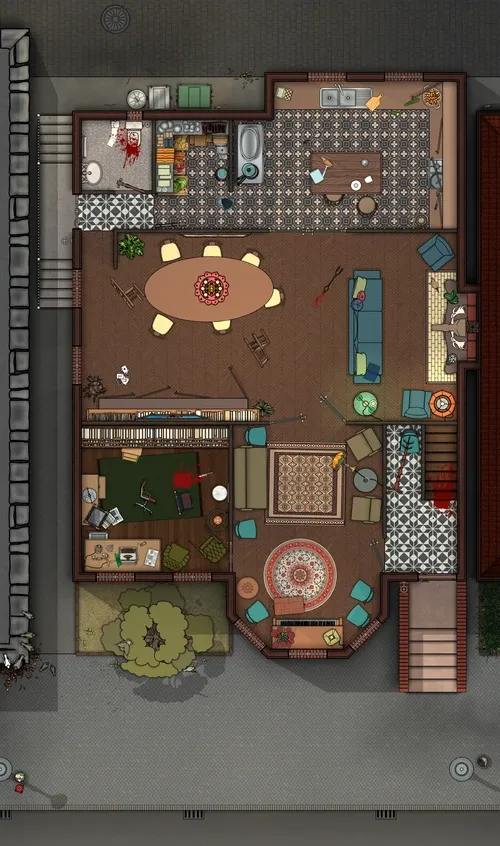
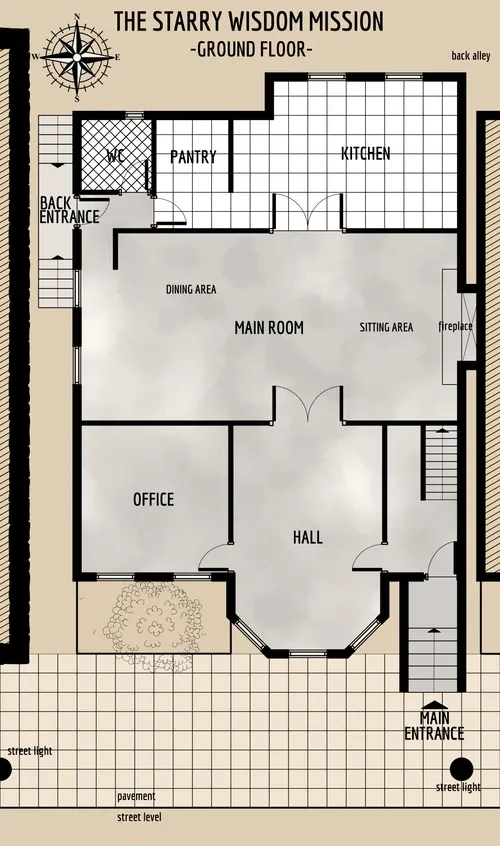
The Associated Charities sent a visitor to the Starry Wisdom Mission in the first week of September, and that was the first strange thing, since the mission kept no charter and drew no subscription, and no complaint against it had come into the society’s books in thirty years. It stood where Federal Hill came down to the courts, a plain decent building of two floors, its main door opening between the two street lamps of the square on a hall of tessellated tile: pegs for the coats of the destitute, a bench for the waiting, the office behind its wicket, and over the door, in paint the weather could not touch, a rose of many points, the points worked as stars. Charles Vane, four years a visitor for the society and used to houses that asked for money and gave trouble, came up the pavement at the hour of soup, and found the superintendent waiting in the hall with the register open and a bed made up, though no letter had gone ahead of him to say he was coming.
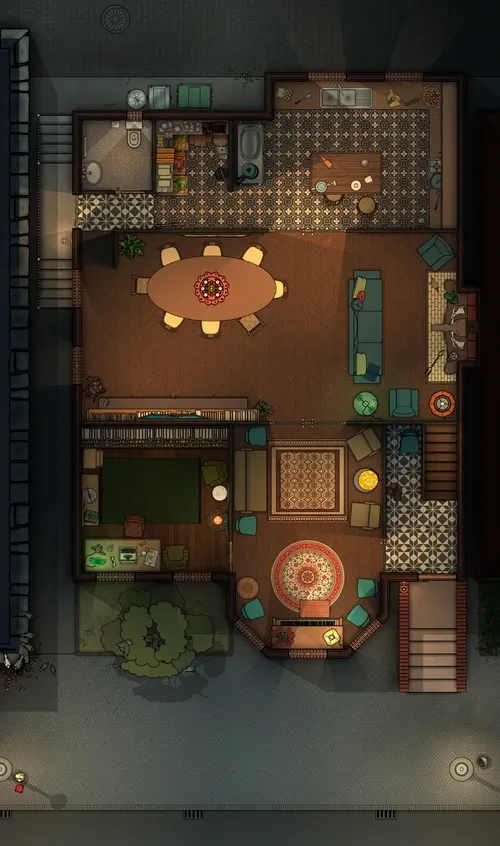
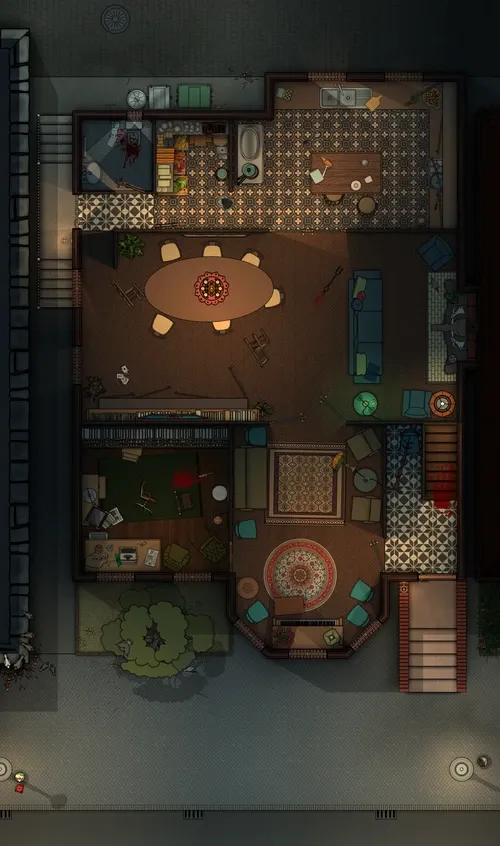
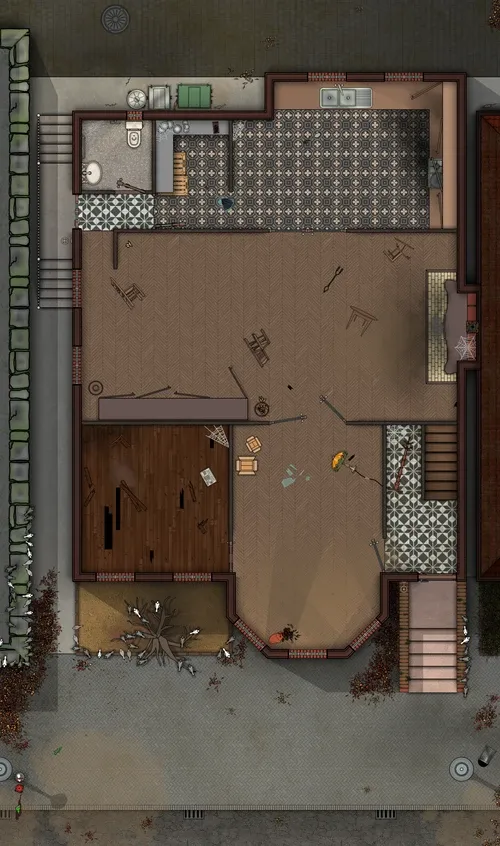
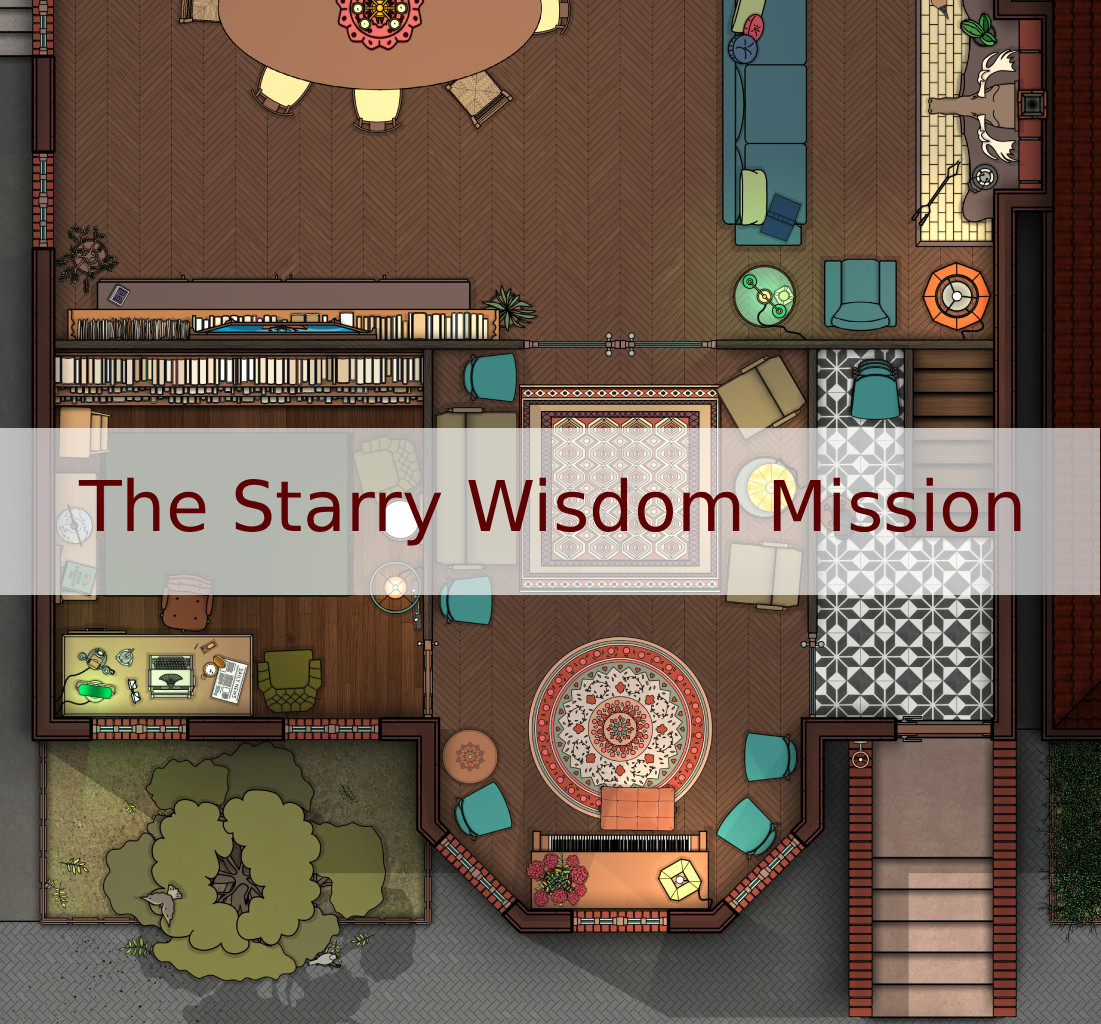
Mr. Meeks gave him the morning for it, as if the visit had been arranged. The main room took up the whole of the south front: the long tables under the drop light, laid for more souls than the house could hold; the sitting area by the fire, with its deep chairs and its shelves of worn books; two great rugs worked in roses of many points, the points again stars, worn pale along the paths between the chairs; and the piano in the bay, kept shut all the day but always tuned. The kitchen had a stove of institutional size and a pantry Meeks did not open, and at the back of the house a door gave onto the alley, which Meeks said was never locked, the mission turning no one away at either end. The rules were few, and Meeks said them like a creed: soup at six, the hymn at eight, the lamps out at ten; beds free, the register deciding. The register, he said, was the mission’s and not any man’s, kept in a hand that had not changed since the house opened, and would not change now.
The register lived in the office, under the lamp of green glass, bound in black, one to the year. Vane took down the current volume and found the hand upright and exact, every bed numbered, every man entered with his name, his trade if he had one, and the date he lay down; and the entries, in the last weeks of the book, ran ahead of the calendar. There was a line for a man due the following Tuesday, and a line for the Tuesday after, and one for the first cold night of November, which was not a date the weather could promise. His own visit was entered too, in the same upright hand, dated the day of his coming, and set down not as an inspection but as a lodging: Vane, Charles, visitor, to be housed upstairs.
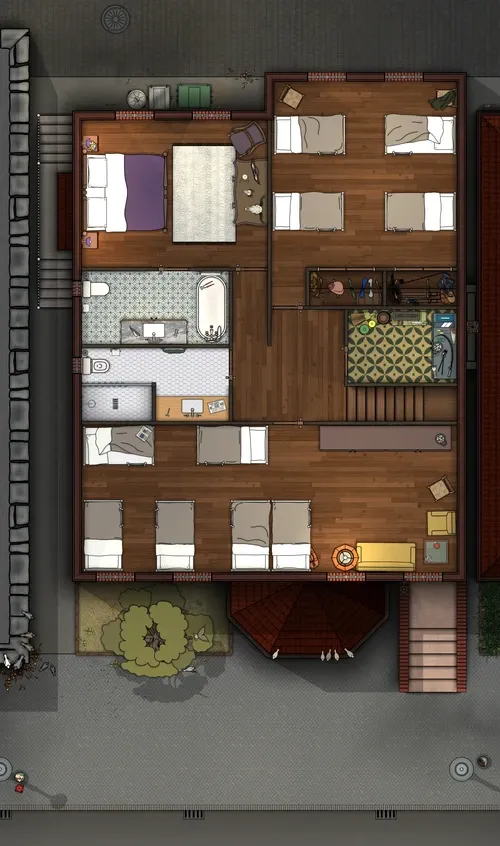
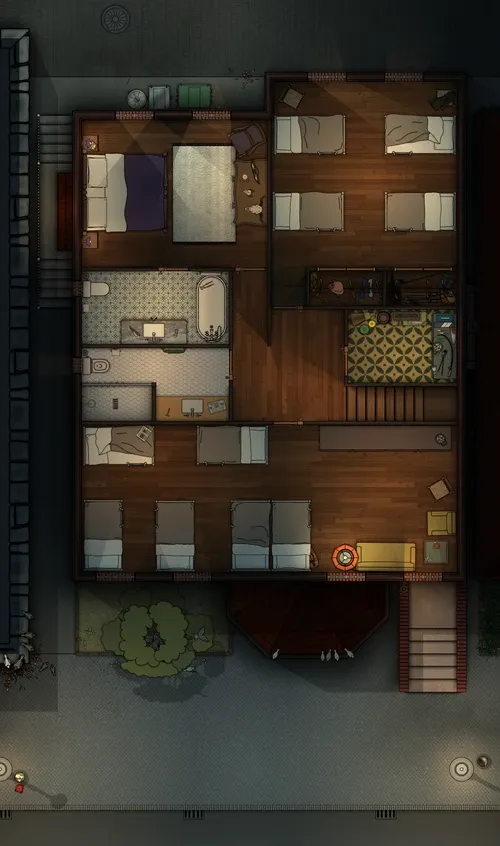
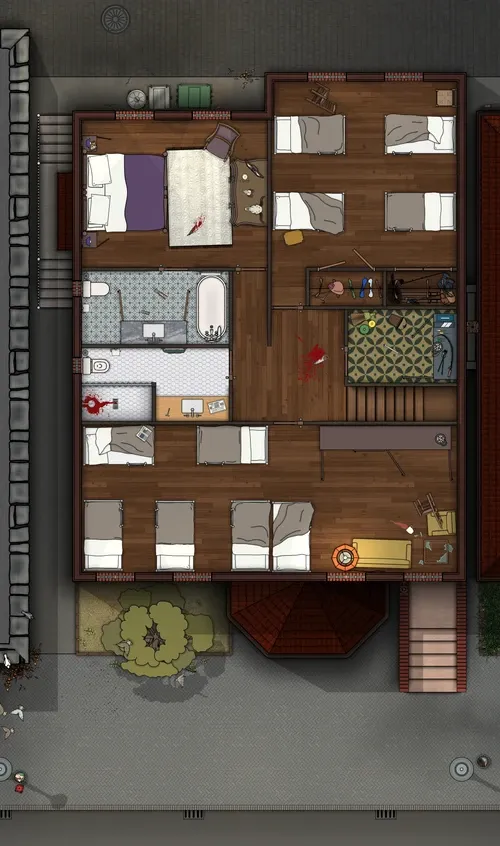
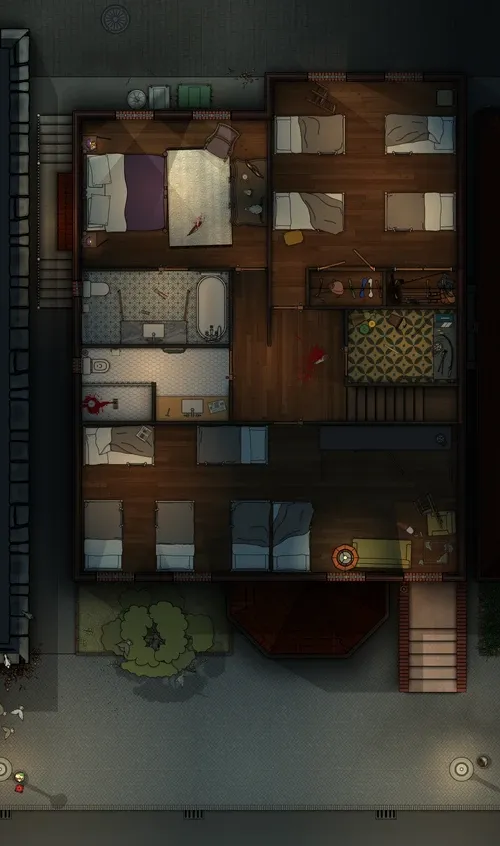
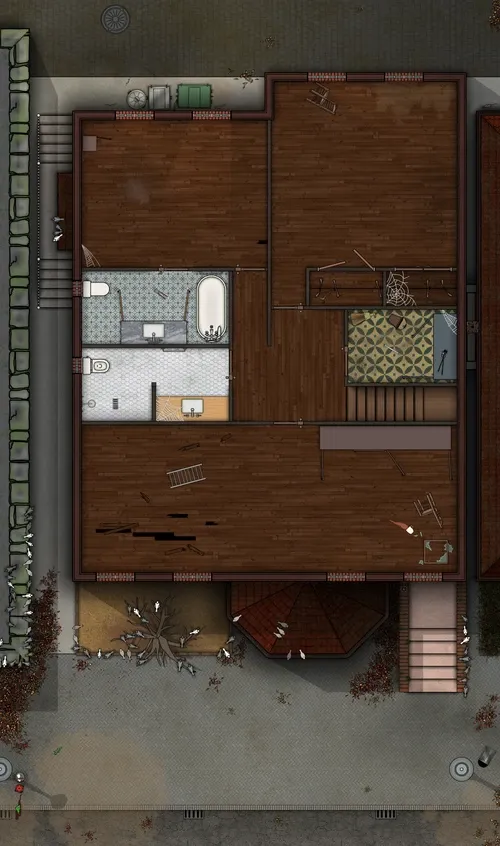
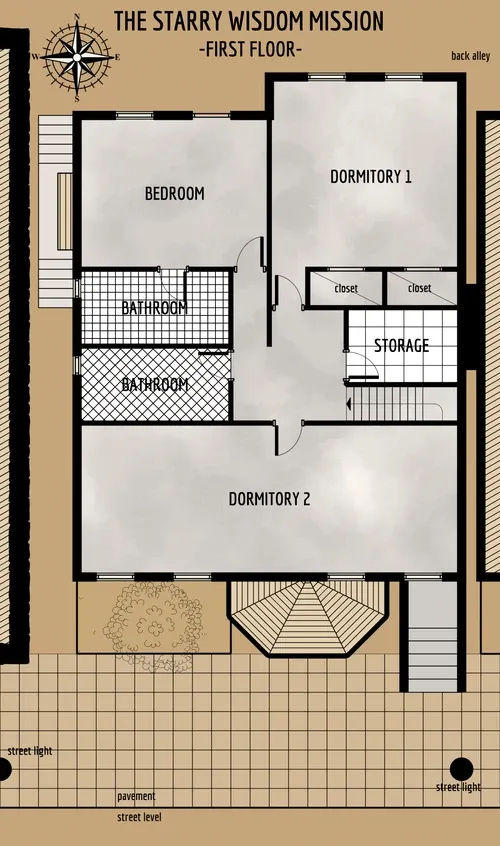
He went up in the afternoon, while the men were out at the wharves and the foundries. The first dormitory held twelve beds and the second held eight, iron frames, numbered brass, boots in pairs beside every one, and the bedding drawn smooth in a way no lodging house keeps. The bedroom at the front was made up for him already, his name on a card over the hook for his coat. He asked Meeks, mildly, how the house slept; Meeks said it slept well, and had done so for thirty years, down at ten and up at six, all together, without a bell. Asked how that was managed, Meeks said only that the mission managed it, and that he had never once had to wake a man; and Vane wrote the answer down, because it was the only one he got.
The storage room opened off the stair, shelved and corded, and held the bundles: a kit bag named for a stoker lost off the Baltic five years before; a doctor’s bag, locked; a woman’s portmanteau, though no woman was on the books; a suitcase tied with twine, and the twine new. Meeks called them the effects of men who had gone on ahead, to sea, to family, to God, and the labels were all in the upright hand, and the room was shelved for more than it held. One compartment, of an exact size, stood braced and empty at the end of the run; and beside it on the shelf sat Vane’s own bag, set down level with its label, though he could not remember letting go of it.
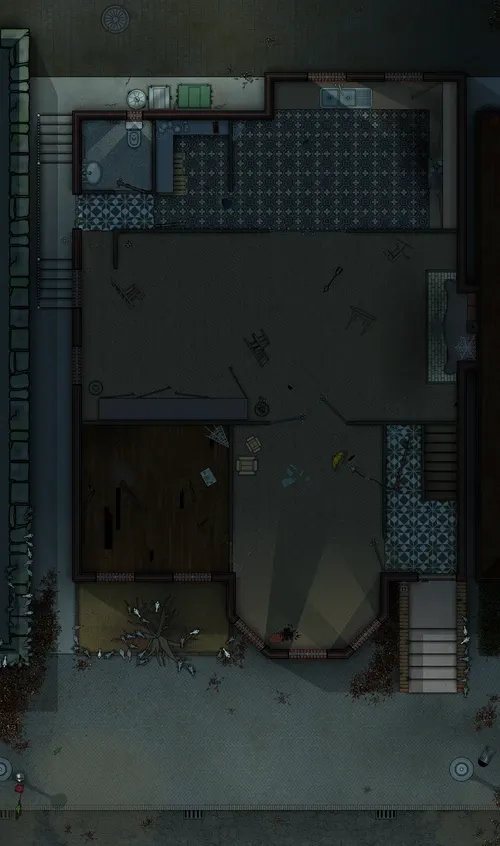
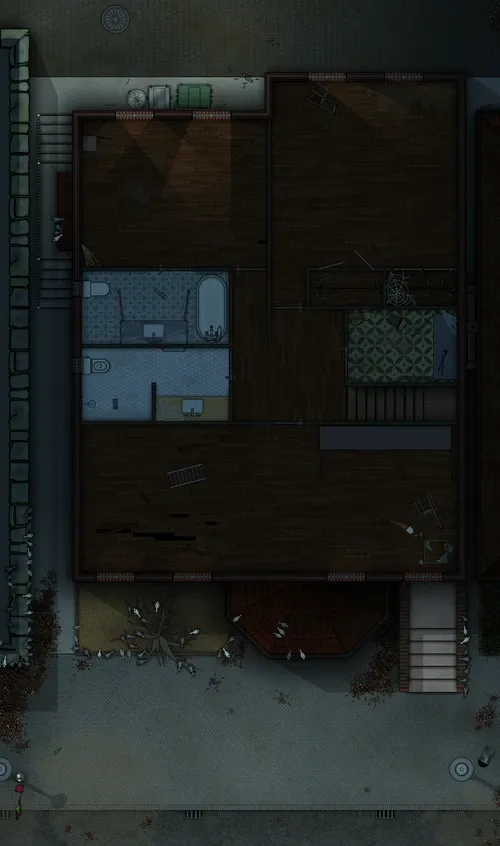
He stayed the night, to see the house at ten. At half past eight the men came in from the courts and the alley door, and sat themselves down in the empty places laid for them, and the piano played the evening hymn, its lid shut from the morning. The shutters were drawn at nine, both floors; and at ten, to the minute, the two street lamps before the mission died together—he saw it through the shutter’s gap—and the lamps inside went out with them, all but the green one in the office. Through the floor of the bedroom he heard the house sing, low and without books, a hymn he could not find in any hymnal, every man on the same note. It was the same hymn each night, Meeks said next morning; the mission had sung it once and had never needed to teach it; and no man in the beds, asked afterward, could recall having sung.
He sat up after it, in the office, to write his report by the green lamp, and the register lay open on the desk at the night’s fresh page, dated ahead. His line was there, entered not as an inspection; and beneath it, in the same upright hand, a second line had been made in the weeks before his coming: for the first cold night of November, Vane, Charles, bed seventeen, for the winter. He did not finish the report, and he did not leave in the morning, and no one at the society asked twice, since the mission turns no one away. The soup is ladled at six, the hymn is sung at eight, the lamps go out at ten, and the beds are ready. On the first cold night of November, Charles Vane lay down in bed seventeen, though he does not remember lying down—only the dark kept, the hymn sung without a hymnal, and the house above him, upright, complete, and continued.




Your cart is empty
Browse Maps