
You can also find my maps on DriveThruRPG & Roll20 or Login with Patreon
Why do the guests order the same drink every eleven years under a different name but in the same ink? Who folds the towels and restocks the three cabanas each night when the club has been shuttered since the elder Ashmore was found at the water's edge, smiling at the empty loungers? What seeps from the hairline crack in the tiles beneath the pergola each full moon, and why does the club's founding plaque bear a date three centuries before the first stone was laid?
Follow Cthulhu Architect on BlueSky!
If you don’t know what you want,” the doorman said, “you end up with a lot you don’t.
— Chuck Palahniuk, Fight Club
Marcus Vale had inspected municipal facilities from Dunwich to Innsmouth and never questioned a pool log that matched its chemical readings. The Ashmore Pool Club, shuttered since the death of its proprietor Silas Ashmore the previous autumn, was a routine estate call: walk the pool deck, check the bar and the cabanas, inventory the grounds, and deliver the appraisal before the county auctioned the property. The guest register waiting on the poolside bar listed every visitor in Ashmore’s meticulous hand—and beneath the oldest entries, in ink far older than the club’s founding, a column marked “source” named guests who had been dead before the century turned.
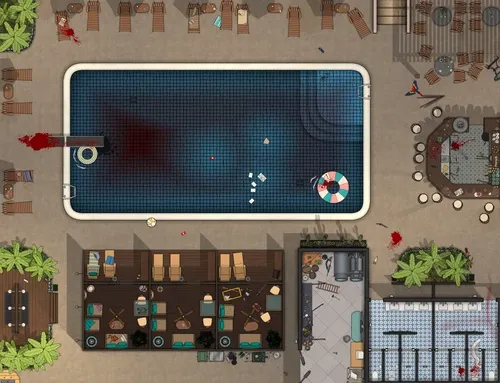
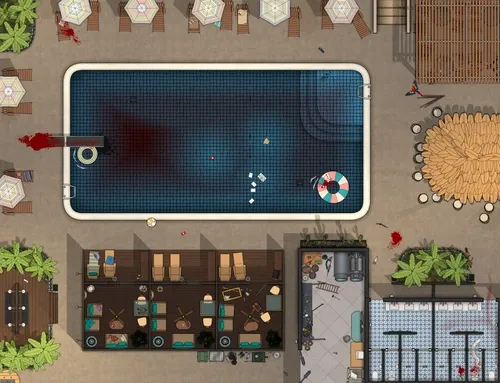
The pool deck smelled of chlorine and coconut oil and something beneath it, mineral and patient, like the air over a well that had never been drawn from. Silas Ashmore had been found at the water’s edge with a rolled towel still tucked under his arm and a smile that the coroner’s report described, with clinical understatement, as “involuntary and unyielding.” Marcus found the towel damp to the touch though the pool had been drained for months, and the guest register open to a page dated that morning—a day pass issued to a swimmer whose signature matched, stroke for stroke, the oldest hand in the register. The umbrella over the nearest lounger, which the estate inventory listed as “sun-bleached, canopy torn,” unfurled and tilted to shade him as he crossed the deck.
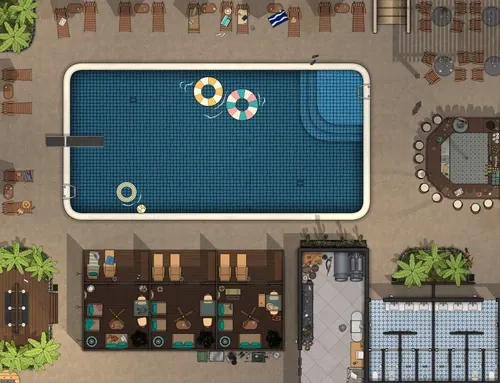
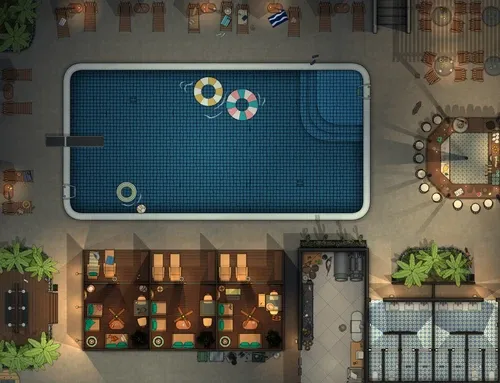
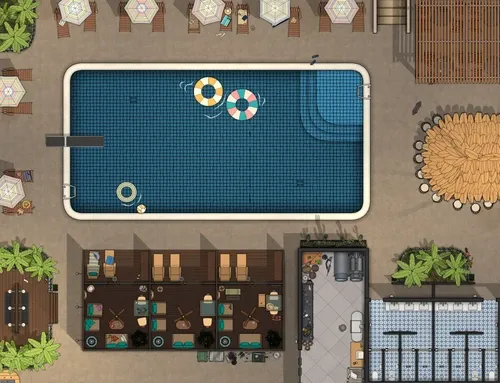
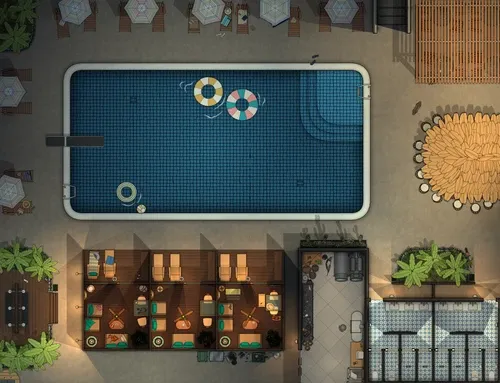
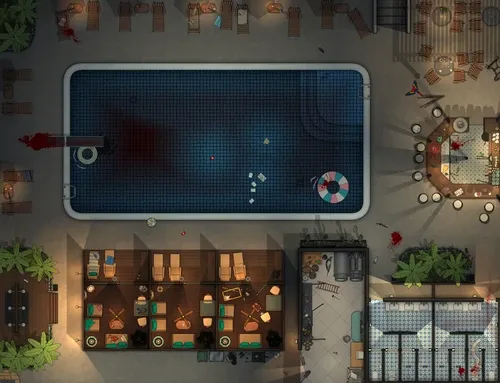
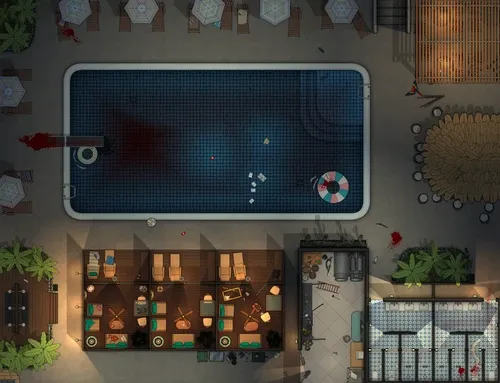
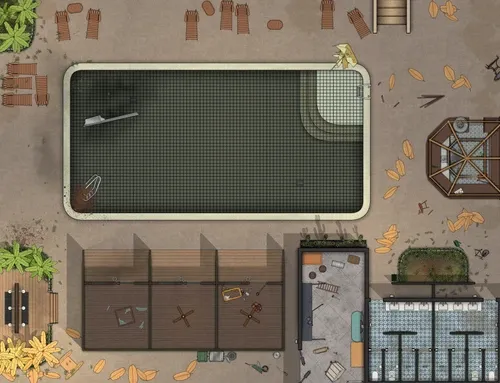
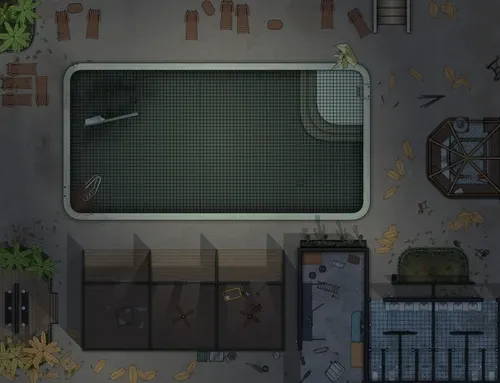
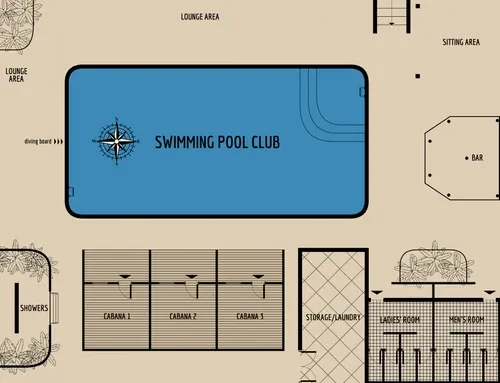
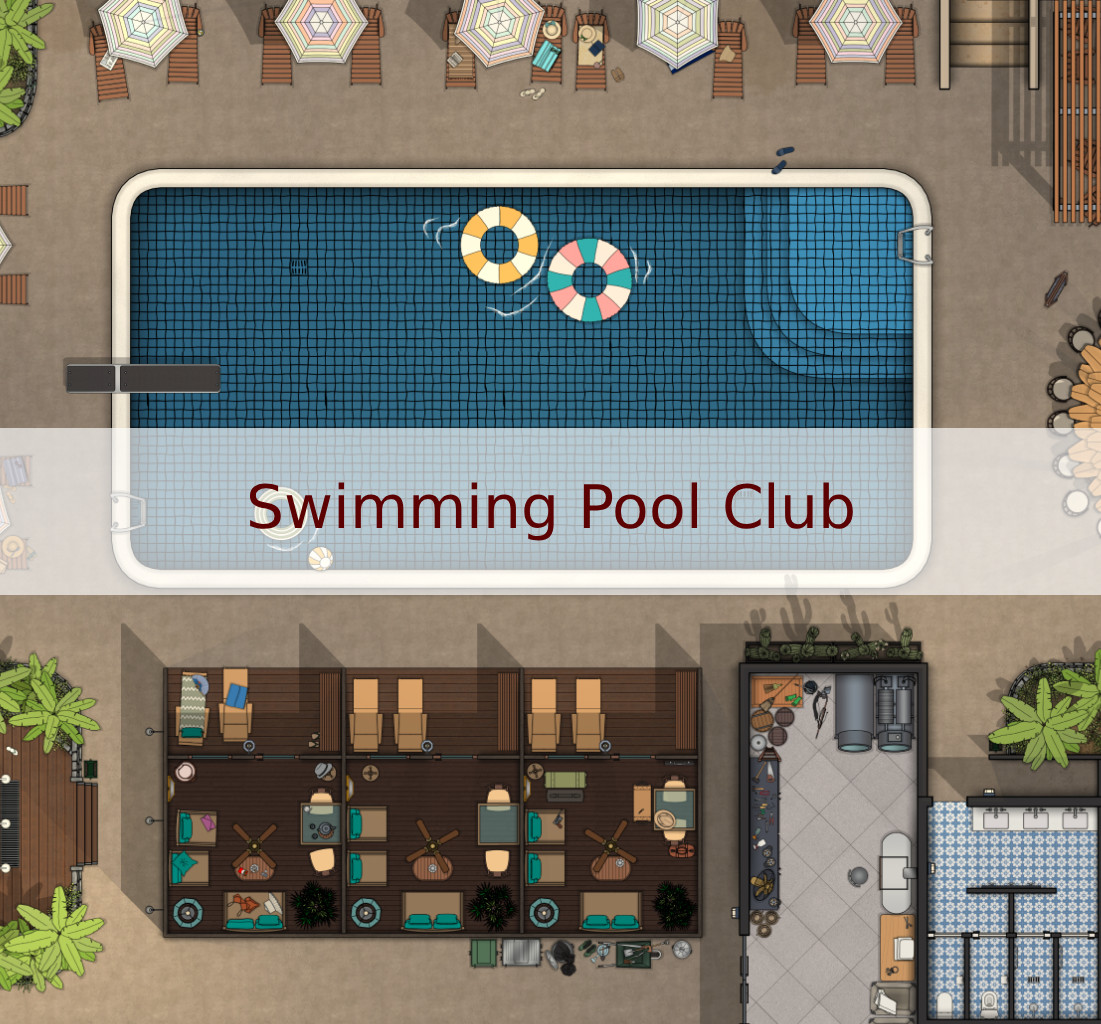
Around the pool the sun loungers and their umbrellas had been arranged with a manager’s care and a dead man’s urgency. The three cabanas at the far end stood with their curtains drawn and their handles warm, and inside each one the towels were folded fresh and the glasses on the side tables still held ice, though the ice maker behind the bar had been unplugged since the funeral. The tilework beneath the pergola, where the self-service tables stood in their neat rows, bore a hairline crack that wept a slow, dark bead each time Marcus’s flashlight passed over it, and the club’s founding plaque, bolted to the pergola’s nearest post, was dated three centuries before the first stone could possibly have been laid. He lifted a pair of sunglasses from a lounger and found the cushion worn into the shape of a body, arms slack, as though something had lain there long enough to press its weight into the foam. Every lounger on the deck, he realized slowly, faced the door of Cabana Three—and that door, which the estate clerk had assured him was padlocked, stood ajar, its padlock lying on the tiles still locked shut.
The guest register, which he found wedged beneath the self-service counter in the pergola, was filled out in Silas Ashmore’s hand up to the night he died—then continued in the same handwriting for every day since. Each entry recorded a cabana reserved, a guest named, and a column marked “settled” that crept from balance toward a figure Marcus could not parse. The most recent page, dated the morning of his arrival, listed his own name beside Cabana Three and the notation “inspector on-site—appraisal pending collection.” Beside it, in a fresher hand, someone had drawn the floor plan of Cabana Three and marked the changing bench with his initials.
He pulled back the curtain of Cabana Three with his flashlight held ahead of him and found the space far deeper than the structure’s footprint should have allowed. The walls ran back here, holding what the pool deck had only hinted at: lockers packed in salt, towels woven from something that was not cotton, and at the changing bench marked with his initials, an empty recess lined with tile already worn to the shape of a man his height and build. Among the nearest lockers stood a figure in Silas Ashmore’s pool attendant’s polo, its sleeves rolled to the elbow, one salt-cured hand resting on the rolled towel it offered toward the light. It turned the towel toward Marcus the way an attendant offers a guest fresh linen, and the eye pressed against the fold of the fabric blinked once and did not close.
At dusk the county clerk found Marcus’s appraisal report on the poolside bar, completed and notarized, the grounds inventory now finished. Every cabana curtain on the deck bore his countersign in fresh ink. The guest register had a new entry in his own handwriting—one recess settled, the balance tipped—and the tilework beneath the pergola had ceased its weeping, its crack now smooth as though it had never been broken. The club was quiet, the umbrellas still tilted at their posts above the loungers, and out beyond the curtain of Cabana Three the oldest guests were arriving at last, checking in on time for the session the register had promised them decades ago.

Your cart is empty
Browse Maps