
You can also find my maps on DriveThruRPG & Roll20 or Login with Patreon
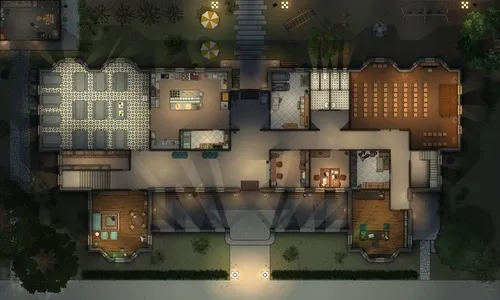
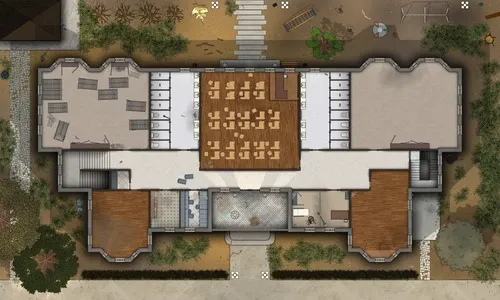
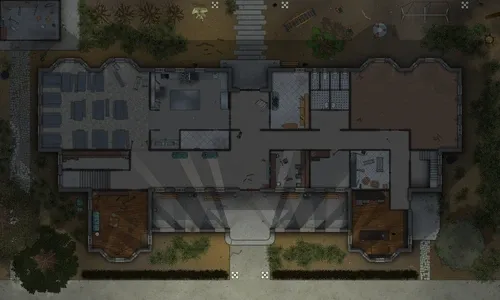
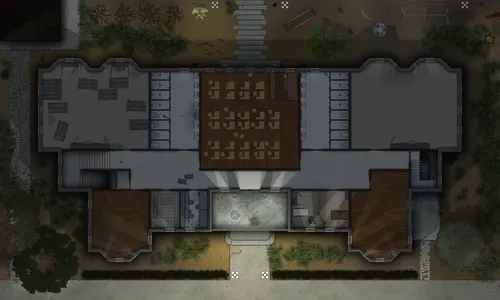
Why do the orphans wake at the same hour each night, sitting upright in their beds and staring at the same blank wall? Who keeps adding names to the intake ledger before the children arrive at the gate? What do the sisters whisper over the soup pots that the older girls are forbidden to repeat? Why are no records ever kept of the children who leave, only of those who arrive? What does the night sister listen for, ear pressed to the dormitory floor, when she thinks the orphans are asleep?
Follow Cthulhu Architect on BlueSky!
The women laughed and wept; the crowd stamped their feet enthusiastically, for at that moment Quasimodo was really beautiful. He was handsome — this orphan, this foundling, this outcast.
― Victor Hugo, The Hunchback of Notre Dame
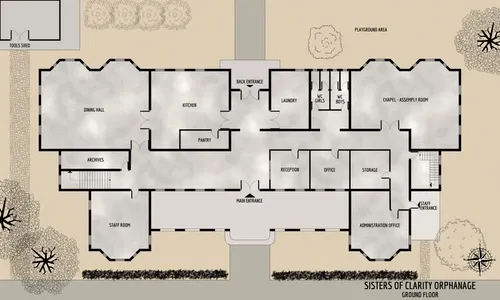
Sister Maren Vey had kept the night watch at Sisters of Clarity Orphanage for eleven years, long enough to know every cough and every nightmare of every child under her care. At 2:11 a.m., the front bell sounded, though no carriage had crossed the gravel and no child had been brought to the door that evening.
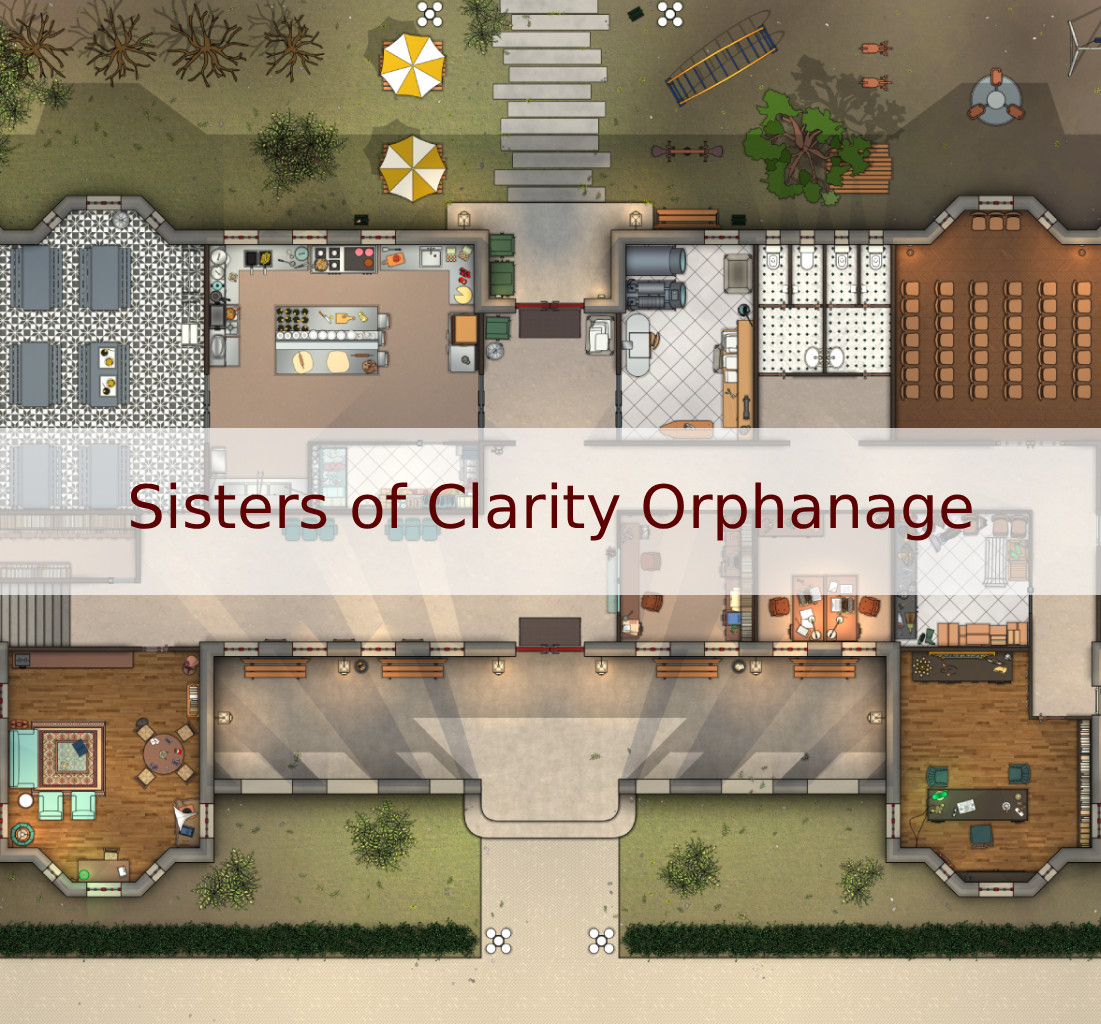
“There can be no admission this late,” Maren muttered, taking the lantern from its hook. Yet the intake ledger in the foyer lay open to a fresh page, and a name had been written across the first line in handwriting she did not recognize: ELSIE WREN, AGE 7, OF FALMOUTH STREET.
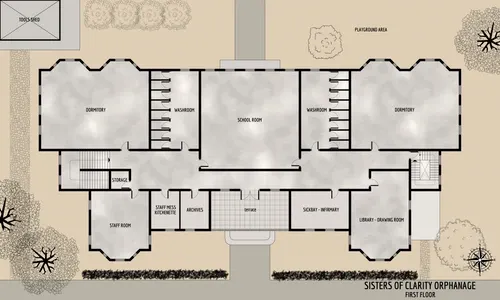
The children in the upstairs dormitory sat upright in their beds, eyes open and unblinking, each one facing the eastern wall. None of them turned when she entered. She placed her hand on the smallest boy’s shoulder and asked his name; without breaking his gaze he answered, in a voice that did not belong to a child, “We are making room.”
Maren sent a runner for Mother Hesper, who kept the keys to the cabinet no other sister was permitted to open. The reply came back in a tone Maren had never heard her use: “Do not interrupt the receiving. Continue your rounds. This is legacy work.”
Legacy work was not a phrase that appeared in any rule of the Order. She unlocked the cabinet herself, expecting only the registers of meals and laundry. Instead she found shelf after shelf of small leather books, each labelled with the name of an Arkham street that had been emptied by influenza, by fire, by misfortune. Several of the books were warm to the touch. One bore the name of her own childhood street, and on its final page her own name had been entered three days ahead.
The lantern flames bent toward the dormitory wing. Without anyone walking the corridor, the dormitory doors began to open one by one in perfect sequence — the infants first, then the toddlers, then the older girls — each room exhaling the same soft hum, as though all the children together were trying to become a single hymn.
Mother Hesper arrived in the foyer with two sisters Maren did not recognise, both wearing veils of an older cut than the Order had used in living memory. “Step away from the ledger, Sister Vey,” Hesper said softly. “When the city loses a child, someone must be ready to receive what is sent in its place.”
Maren looked through the window into the moonlit yard and saw small figures standing in a perfect line at the iron gate, each holding the hand of the child beside them, all of them facing the orphanage. On the open ledger before her, the last entry was no name at all, only a label written letter by letter as she watched: ARKHAM, OFFERING. When she closed the book, she heard her own voice on the other side of the dormitory door, older and frayed, calling the children to morning prayer.
At dawn, the gate stood empty. The fresh ledger page was blank. Elsie Wren of Falmouth Street did not exist on any parish roll. But every clock in the orphanage was seven minutes slow, and one bed in the upstairs dormitory had been made up neatly for a child who had never been admitted.












Your cart is empty
Browse Maps