What knowledge lies buried in the restricted section that the librarians refuse to catalog? Why do the books rearrange themselves on the shelves after closing, and whose shadow moves between the stacks when the reading room is empty? What whispers drift from the rare manuscripts vault, and who has been checking out volumes that were never returned to circulation?
Follow Cthulhu Architect on BlueSky!
“In a good bookroom you feel in some mysterious way that you are absorbing the wisdom contained in all the books through your skin, without even opening them.”
― Mark Twain
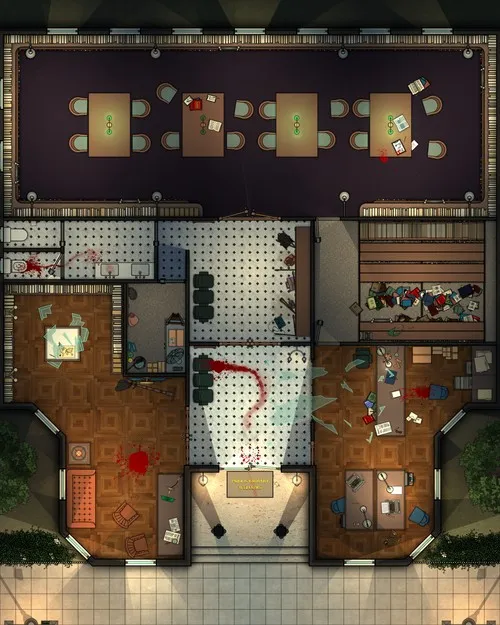
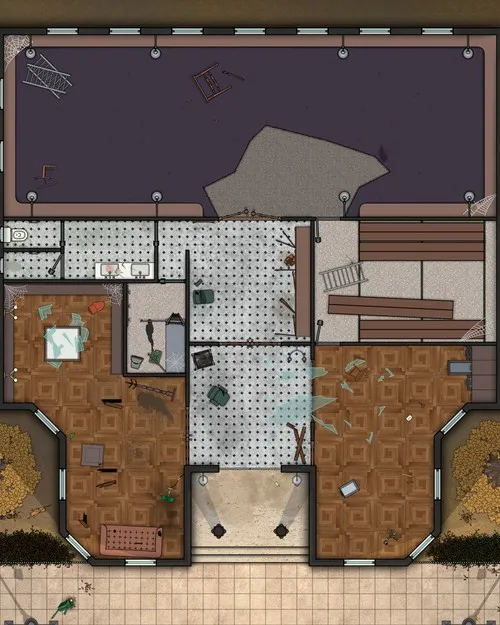
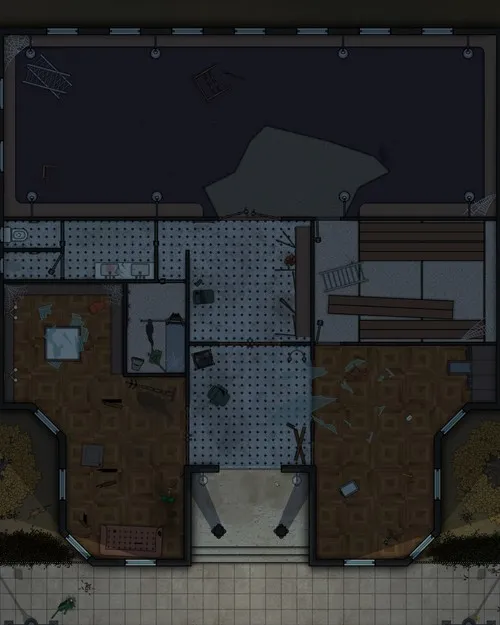
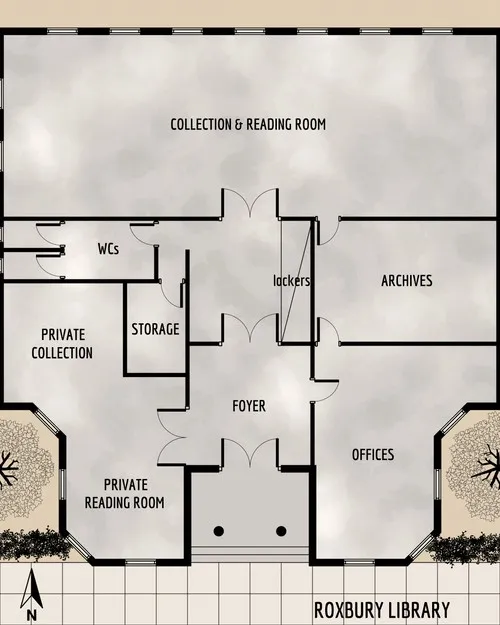
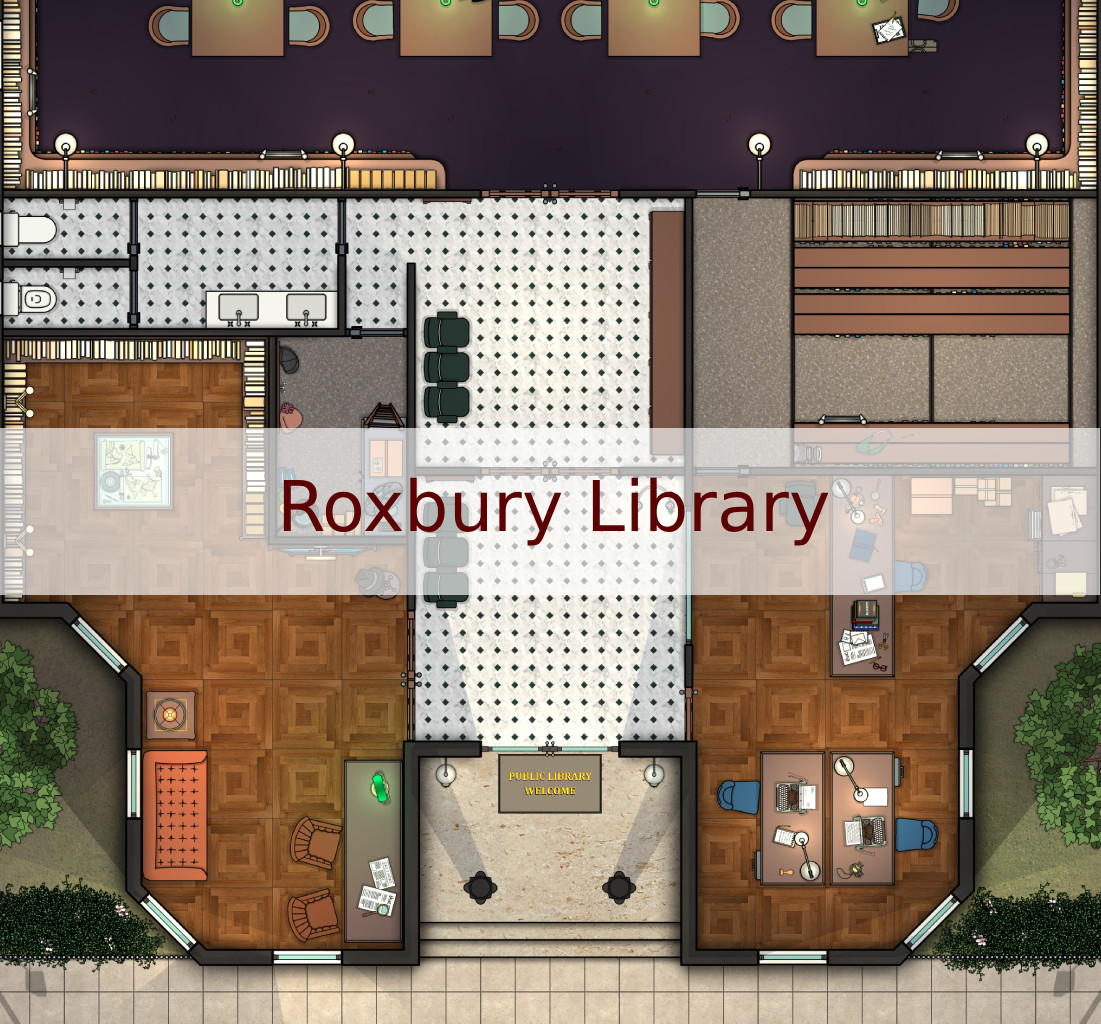
Thomas Finch took the job as night security at Roxbury Library because it paid well and required no conversation. The building was supposed to be empty after closing: silent reading rooms, locked reference sections, a restricted collection that hadn’t been accessed in years.
The day librarian warned him never to enter the restricted section. “The books catalog themselves,” she said. “And they don’t like being disturbed.” Thomas shrugged it off. The old building creaked, but he blamed the heating system that rattled through the pipes like distant whispers.
By midnight, he noticed the books had shifted. Volumes he’d seen on the history shelf now sat in literature. Reference texts migrated to the reading room, stacked in patterns that formed no system he recognized. When he tried to reshelve them, his hands met resistance—as though the books themselves refused to be moved.
The second hour brought sounds: pages turning in empty rooms, chairs scraping across floors where no one sat, the soft thud of volumes being pulled from shelves. Every time he investigated, he found the rooms empty, but the books had rearranged again—spines facing inward, covers open to the same page, or stacked in columns that defied gravity.
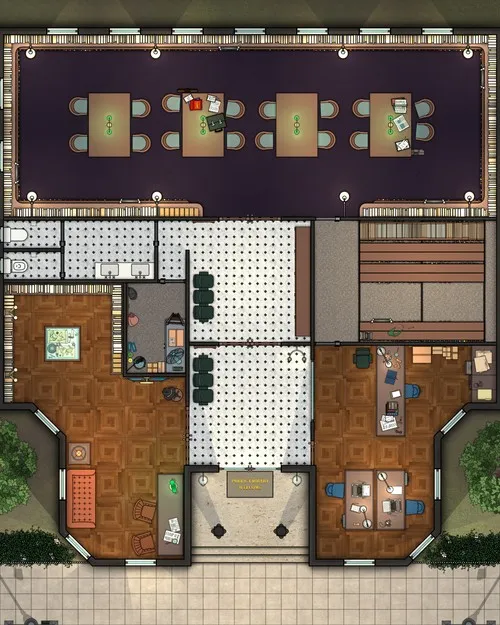
He tested the lights in the reading room. Each flicker revealed a different arrangement: study tables clustered around the restricted section door, chairs facing the windows, or everything cleared except a single book left open on the center table. The book always showed the same passage, though the language changed each time.
He finally approached the restricted section. The door was supposed to be locked, but it swung open at his touch. Inside, the air tasted of old paper and something else—something that made his skin crawl. The shelves stretched further than the building’s dimensions allowed, and every volume bore a call number that didn’t exist in any catalog.
Halfway down the aisle, he heard footsteps behind him—measured, deliberate, pacing the same route he’d taken. When he turned, the stacks had rearranged, blocking his path back. The footsteps continued, closer now, and he realized they weren’t following him. They were herding him deeper into the collection.
At the end of the aisle, he found a reading nook he’d never seen on any floor plan. A single lamp burned, though the power had been cut hours ago. An open book lay on the table, and as he leaned closer, he saw his own name written in the margins—along with dates that hadn’t happened yet, and notes in handwriting that wasn’t his.
The library was adding him to its collection. The whispers grew clearer, promising that if he stayed, Roxbury would preserve him—as a patron, as a volume, as another entry in its endless catalog. The lamp flared once, steady, powered by nothing the building should have carried.
When the morning librarian arrived, Thomas’s keys hung on their hook by the front door. His logbook sat open on the security desk, filled with call numbers and shelf locations that didn’t exist. The restricted section door was closed and locked, but from inside came the sound of pages turning.
Your cart is empty
Browse Maps