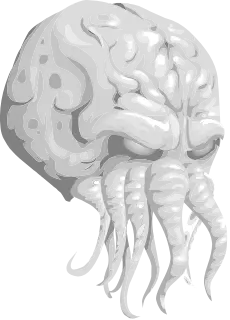
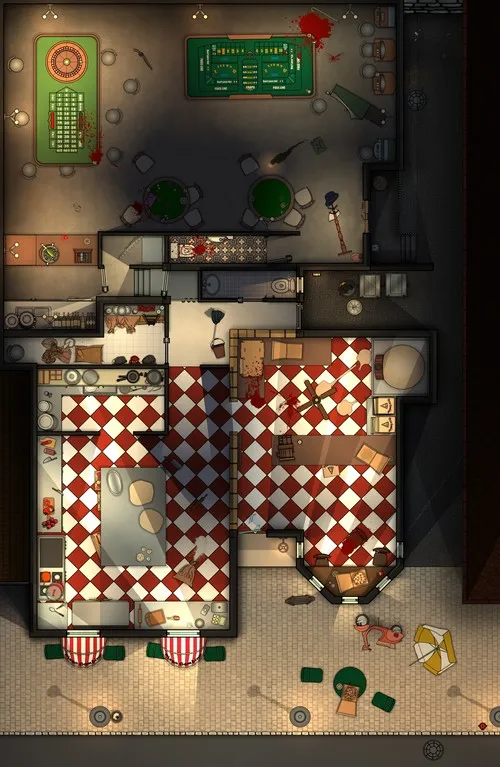
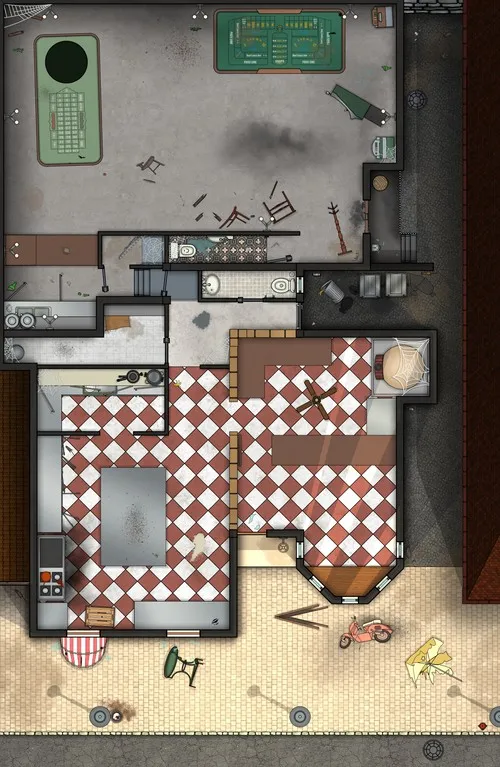
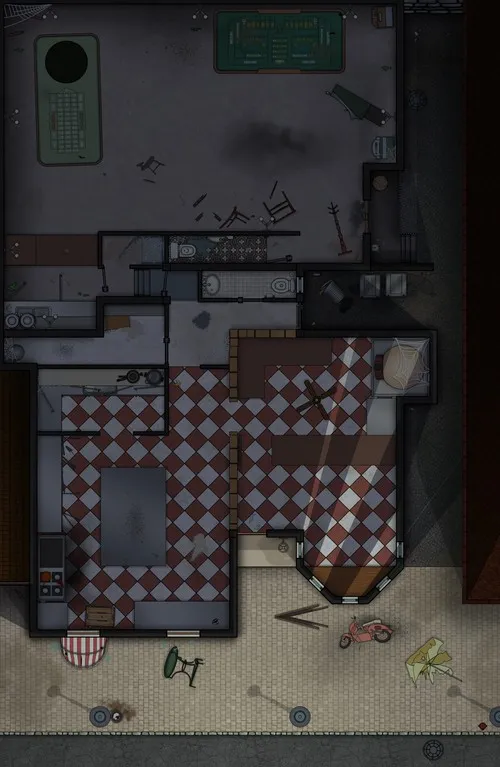
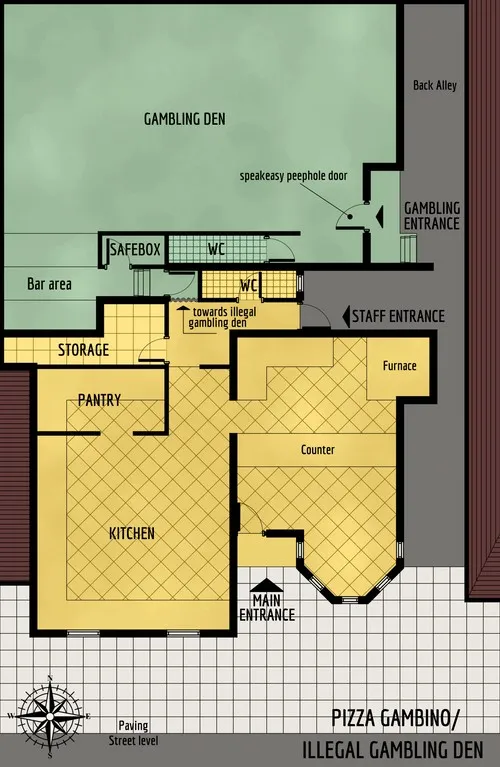
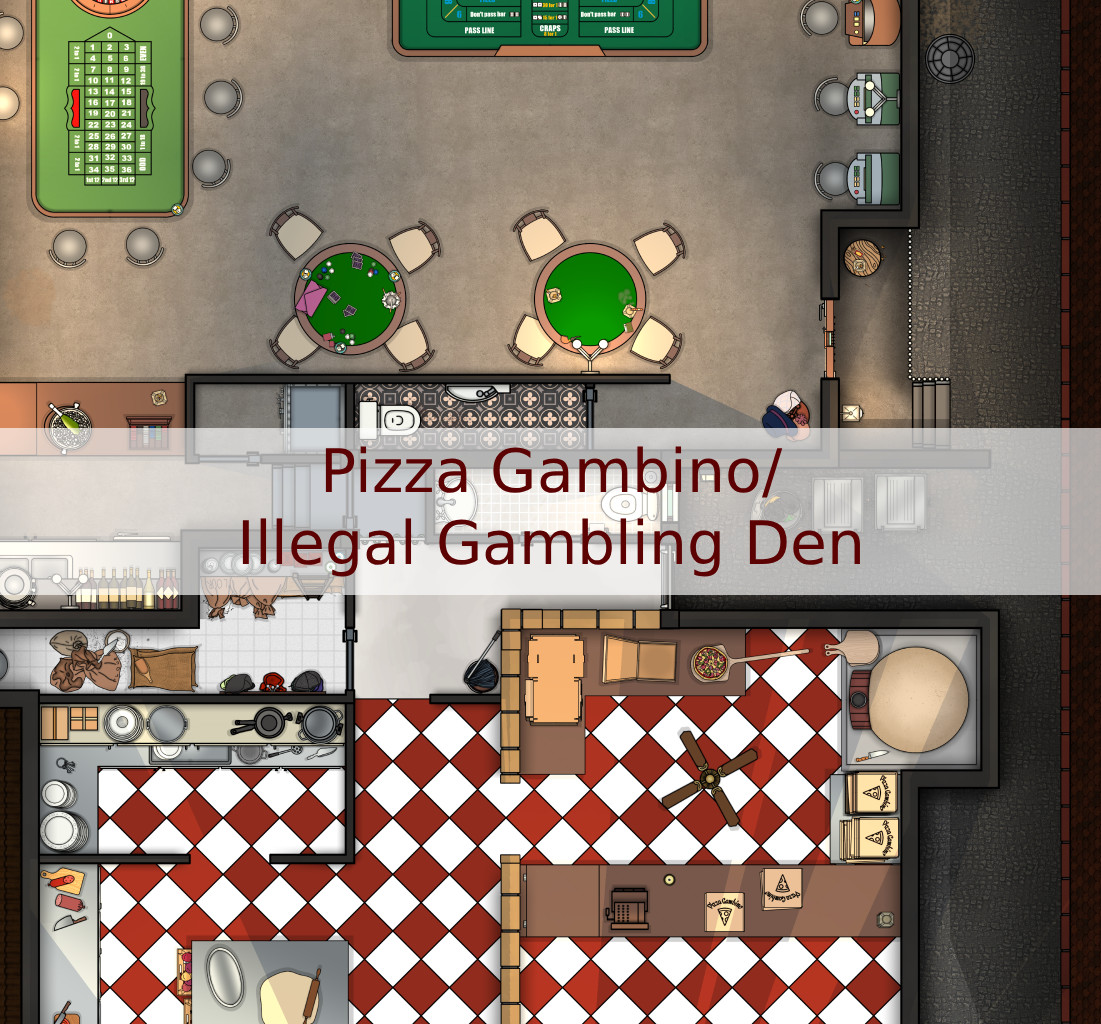
Why do regular customers get turned away while strangers are led to the back room? What's really cooking in the kitchen after closing hours, and whose orders are never written down? What debts are being settled in the back room that never appear on the books? Why do the cards seem to move on their own when the stakes get high, and whose shadow watches from the private gaming tables? What happens to players who win too much, and who has been disappearing after losing everything at the high-stakes games?
Follow Cthulhu Architect on BlueSky!
“But magic is like pizza: even when it’s bad, it’s pretty good.”
― Neil Patrick Harris, Neil Patrick Harris: Choose Your Own Autobiography
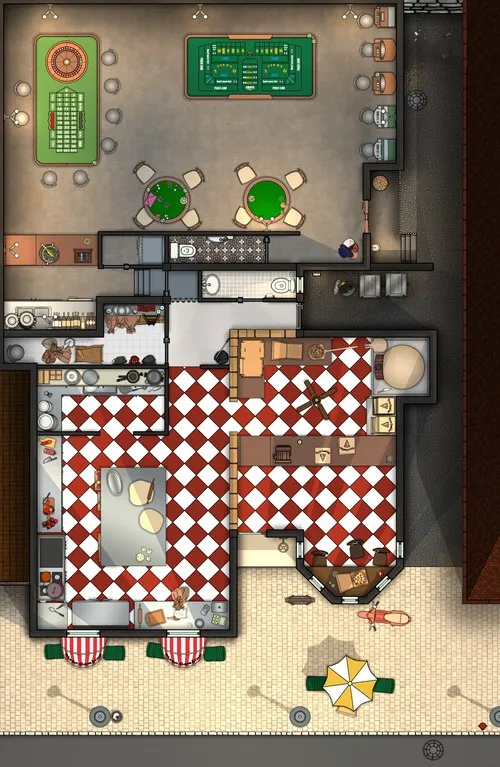
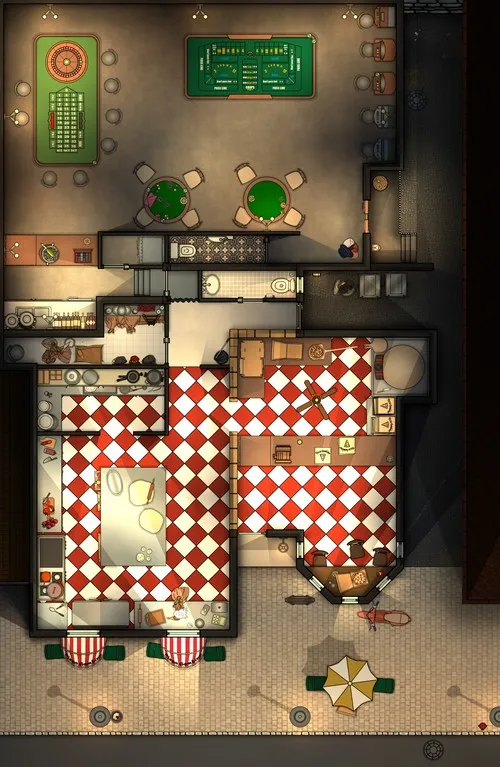
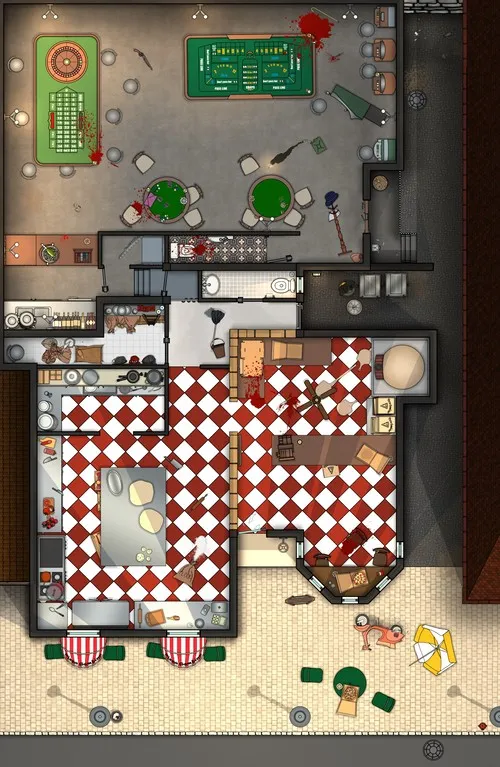
Marco had been dealing cards in the backroom of Pizza Gambino for three months before he noticed the pattern. Regulars who won too big never came back. They’d cash out, promise to return next week, then vanish. The owner, Sal, would just shrug and say they’d moved on to better games. But Marco had seen their faces—the way their eyes glazed over when the stakes got high, how they’d stare at the door to the main dining room as if they’d forgotten what lay beyond it.
It was the cards that first made him suspicious. During late-night games, when the pizza place had closed and only the desperate remained in the backroom, the deck would sometimes shift on its own. Cards would flip face-up without being touched, revealing hands that shouldn’t exist. Players would stare, then laugh it off as fatigue, but Marco saw the fear in their eyes. They knew something was wrong, but the promise of one more hand kept them seated at the green felt tables.
The backroom itself seemed to change when the games ran deep. The walls would feel closer, the single overhead light would cast shadows that didn’t match the furniture, and sometimes Marco would catch glimpses of players in the mirrors that weren’t there when he looked directly. The air would grow thick, tasting of cigarette smoke and something else—something that made his skin crawl.
The night everything changed, a stranger in a worn suit sat down at Marco’s table. He played with a stack of bills that seemed to grow no matter how much he lost. When Marco tried to count the money, his mind would slip—the numbers wouldn’t add up, the denominations kept changing. The stranger never spoke, just gestured for cards, and each hand he played seemed to bend probability itself.
By midnight, the stranger had cleaned out every player at the table. He stood, gathered his impossible winnings, and as he moved toward the door, Marco realized the backroom had changed. The walls seemed to stretch further than they should, the tables arranged in angles that defied the room’s dimensions. The other players didn’t notice—they just stared at their empty hands, their faces blank.
The stranger looked back once, directly at Marco, and smiled. His eyes reflected something that wasn’t light—something that made Marco’s stomach turn. Then he was gone, and the backroom snapped back to normal. But Marco knew it wasn’t normal anymore. The cards in his hands felt wrong, the deck seemed to whisper, and when he tried to leave, he found himself dealing another hand instead.
He tried to quit the next day, but Sal just smiled and handed him a fresh deck. “You’re in too deep now,” Sal said, his voice low and final. “The backroom’s got its hooks in you. You deal the cards, or the cards deal with you.”
Marco returned that night because he had no choice. The backroom was waiting, and whatever played cards in there had been waiting for him all along. The door to the main dining room seemed further away each night, and he knew that soon, he’d forget there was anything beyond the green felt tables and the impossible hands.

Your cart is empty
Browse Maps