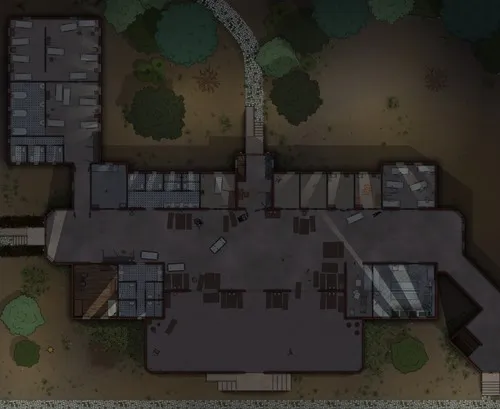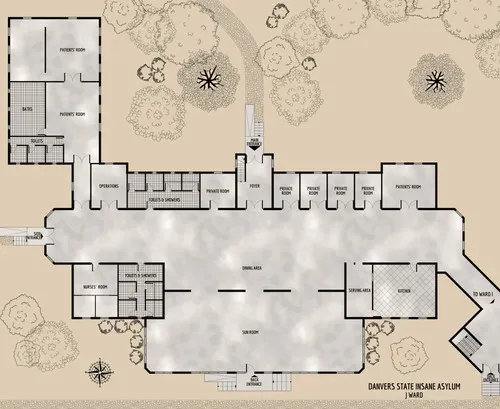
Why was J Ward sealed before the rest of Danvers fell silent? What shuffles behind the observation mirrors when the corridors are empty, and why do the padded doors close on their own? Whose restrained footsteps keep pacing the tiled hall, and who keeps turning the lights back on in rooms that no longer have power?
Follow Cthulhu Architect on BlueSky!
“Before long I was pretty nearly a devotee, and would listen for hours like a schoolboy to art theories and philosophic speculations wild enough to qualify him for the Danvers asylum.”
― H.P. Lovecraft, Pickman’s Model
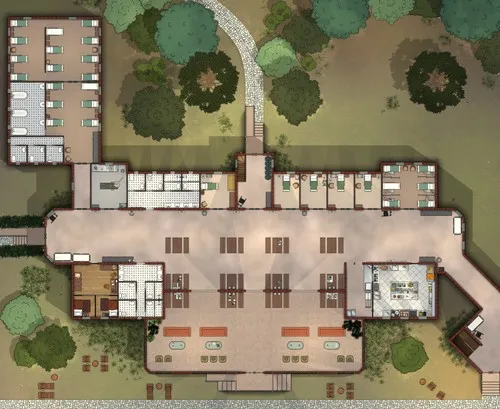
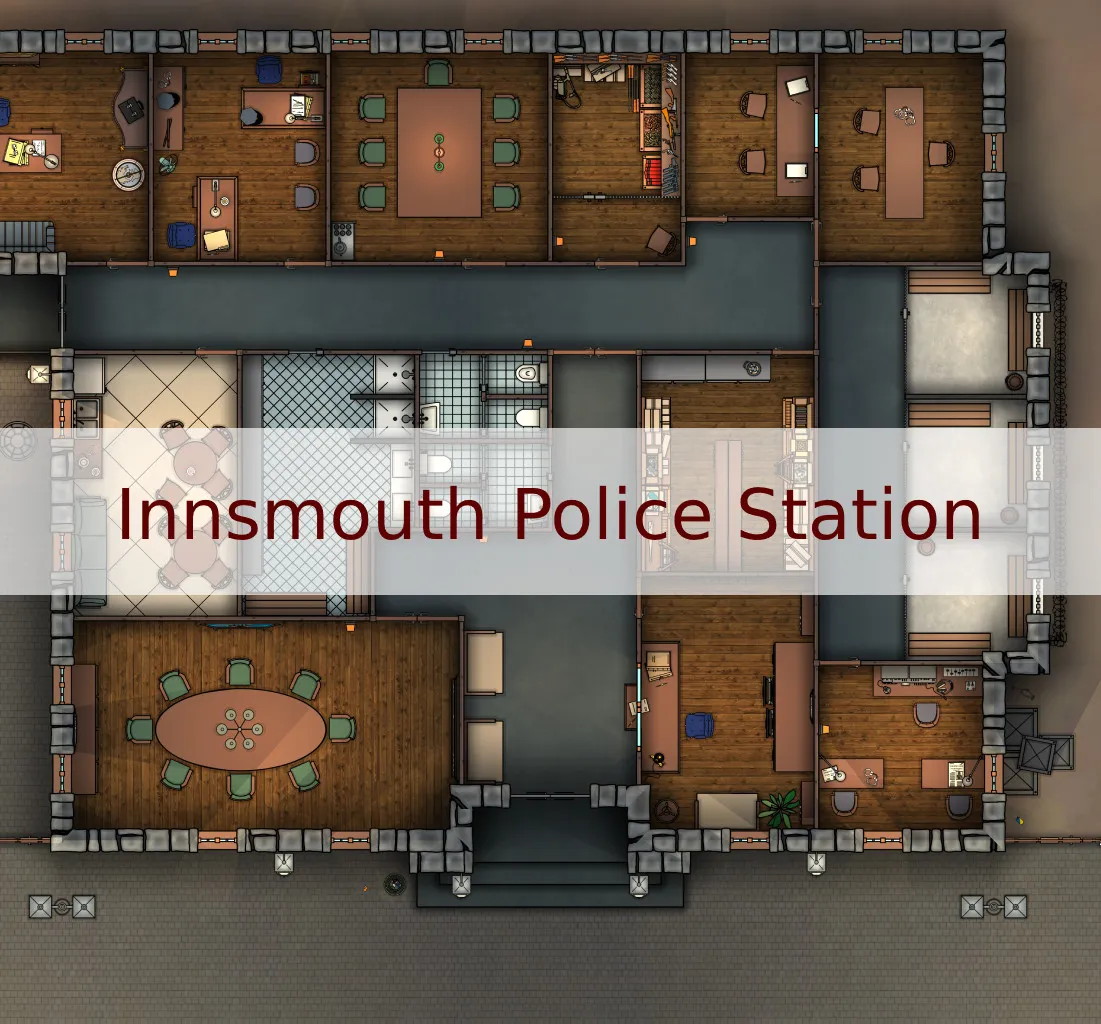
Dr. Mara Keane returned to Danvers long after the asylum’s shutdown, tasked with recording what remained of J Ward before demolition. The wing was supposed to be empty: isolation cells, narrow treatment rooms, an observation lounge with mirrored panes that had long ago clouded over.
Maintenance warned her to skip J Ward after dark. “Doors close on their own,” the foreman said. “Keys don’t stay where you leave them.” Mara laughed it off. The padded doors did shut by themselves, but she blamed the draft that ran the corridor like a cold vein.
By the second hour, she noticed footprints in the decontamination bay—bare, restrained, pacing between the tiled drain and the strapped gurney. None led back toward the main hall. When she set her flashlight down, it rolled to a stop against an invisible barrier just shy of the observation mirror, as though something pressed back from the other side.
The third hour brought voices: clipped staff phrases, patient numbers, half-remembered therapy scripts. Every time she wrote them down, her notes rearranged into architectural sketches of rooms she hadn’t entered—double-length isolation cells, a second nurses’ station tucked behind the treatment room, a stairwell that didn’t exist on any plan.
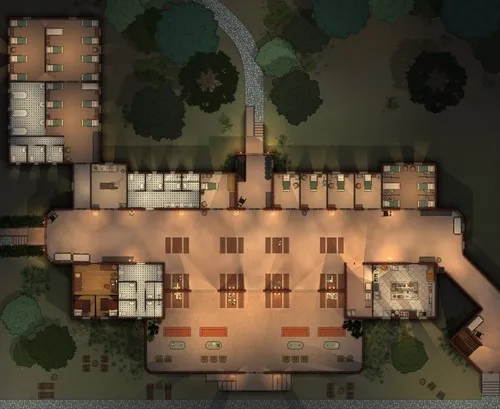
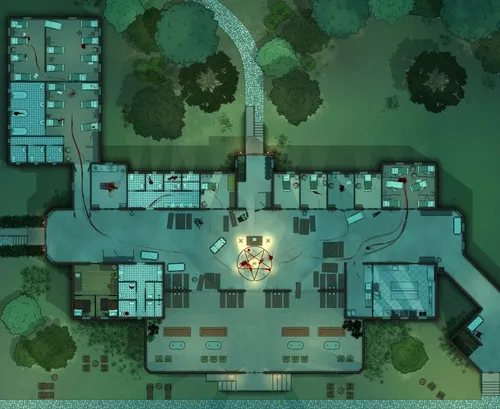
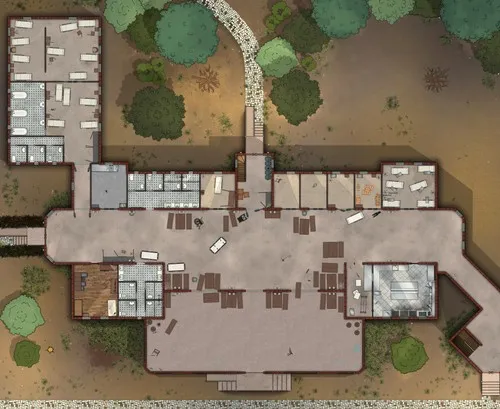
She tested the light switches. Each flicker showed the ward staged differently: restraint chairs facing the mirror, beds angled toward the exit, or everything cleared except the straps coiled on the floor. The mirror always held a smear shaped like a handprint that wasn’t hers.
She finally pushed through the locked treatment room. The tile was dry, but her boots left wet imprints that paced ahead of her toward a closed service door. Halfway there, she heard measured steps above—crossing from the staff lounge to the patient hall—then stopping right over her head.
Behind the service door she found a twin of the treatment room, older and dustless, with every restraint buckled as if waiting. A second observation mirror faced her, and in it she saw herself standing in the hall outside J Ward, coat already dirty, eyes already hollow from hours she had not yet spent.
The ward wanted her in its schedule. The voices pressed inward, promising that if she stayed, J Ward would add her to its rotations—as night staff, as a patient, as another reflection behind the glass. The lights surged once, steady, powered by nothing the building still carried.
When the crew arrived at dawn, Mara’s car idled outside with the headlights on. Her recorder sat on the treatment table, still running. The padded doors of J Ward were closed and latched from the inside.