
You can also find my maps on DriveThruRPG & Roll20 or Login with Patreon
Why do the ledger entries for the Sumerian cylinder seals list the same buyer reclaiming them every eleven years under a different name but in the same ink? Who winds the clockwork automaton in the rear display case when the shop has been shuttered since the elder Crowfield was found at his appraisal desk, smiling at an empty chair? What weeps from the hairline fracture in the Phoenician funerary mask each full moon, and why does its provenance certificate bear a date three centuries before the mask was carved?
Follow Cthulhu Architect on BlueSky!
The love of old things is a way of respecting time.
— Wu Ming-Yi, The Stolen Bicycle
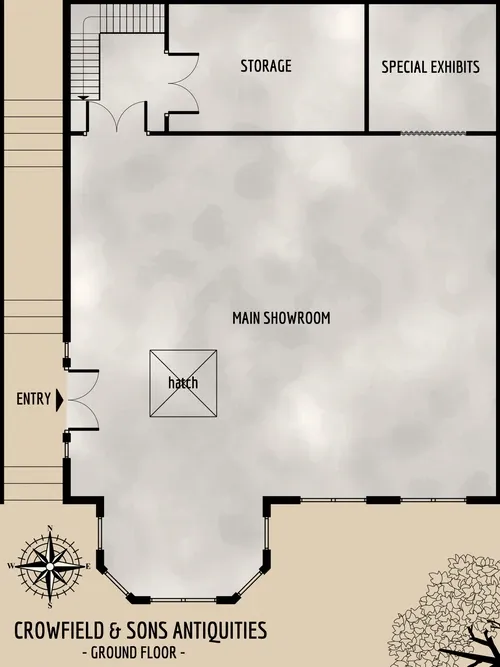
Edmund Hale had appraised estates from Dunwich to Innsmouth and never questioned a provenance that matched its certificate. Crowfield & Sons Antiquities, shuttered since the death of Aldous Crowfield the previous autumn, was a routine probate call: walk the ground floor, descend to the basement vaults, catalog the inventory, and deliver the valuation before the county liquidated the estate. The master ledger waiting on the appraisal desk listed every acquisition in Crowfield’s meticulous hand—and beneath the oldest entries, in ink far older than the shop’s founding, a column marked “source” named consignors who had been dead before the century turned.
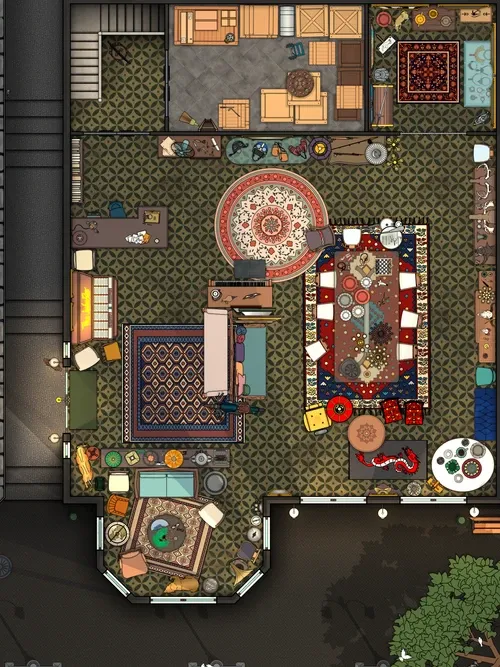
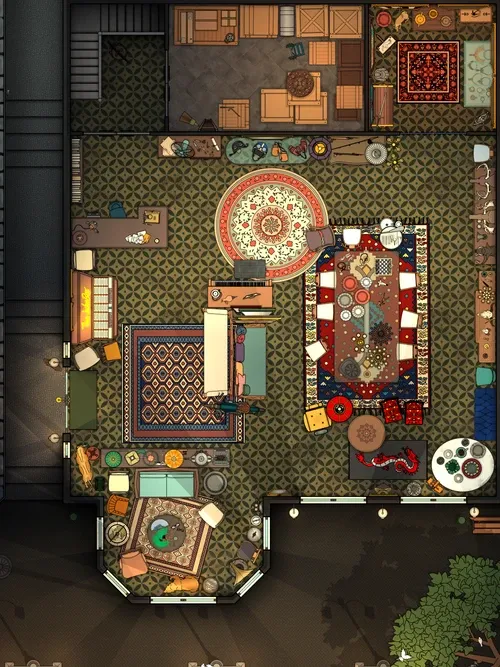
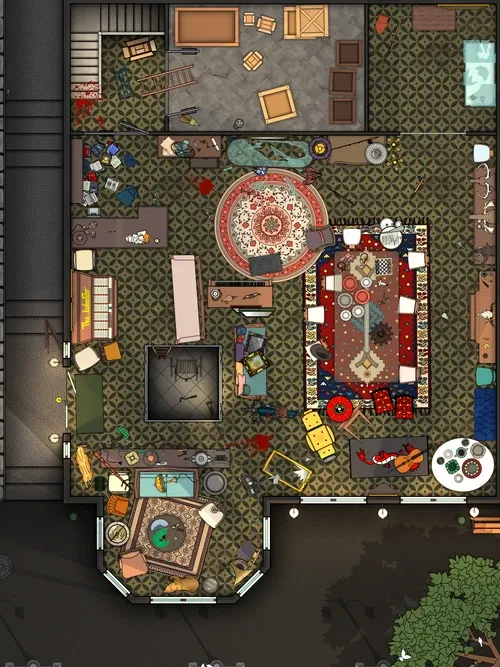
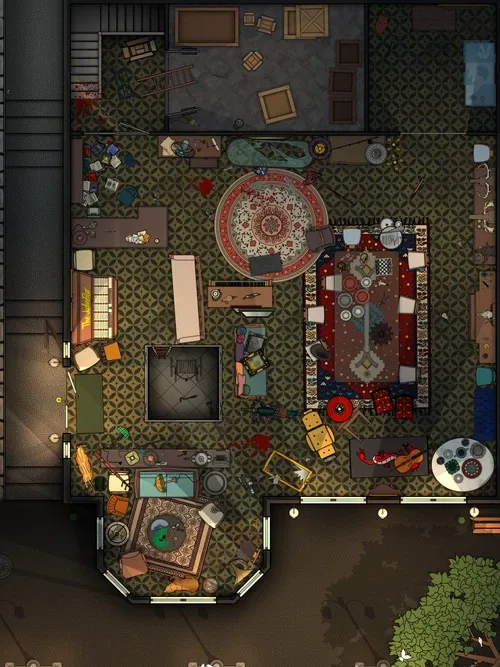
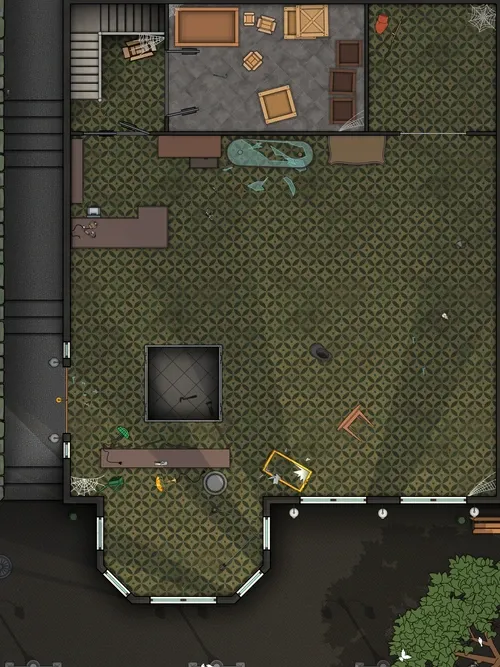
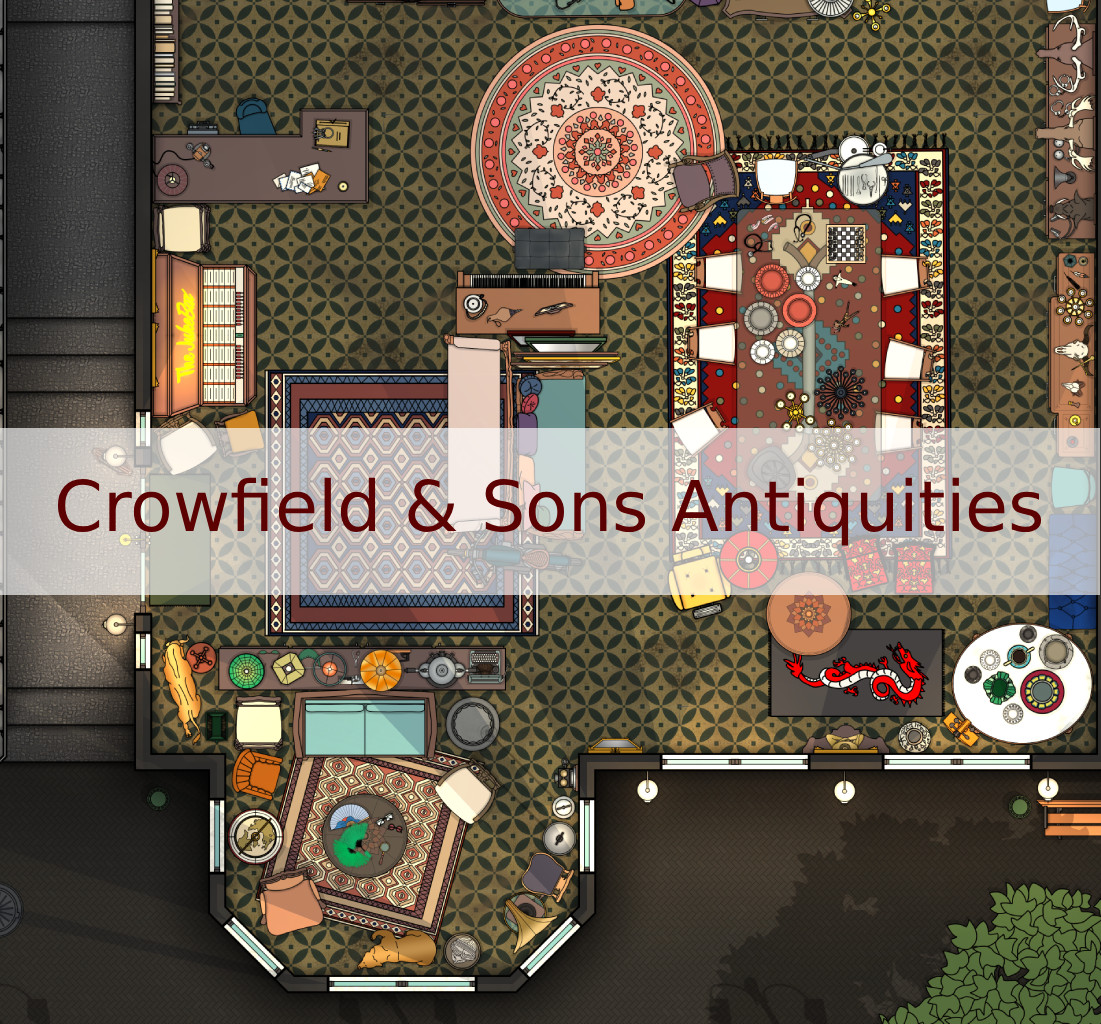
The ground floor smelled of beeswax and something beneath it, mineral and patient, like the air in a sealed tomb. Aldous Crowfield had been found at his appraisal desk with a magnifying loupe still pressed to his eye and a smile that the coroner’s report described, with clinical understatement, as “involuntary and unyielding.” Edmund found the loupe warm to the touch though the desk lamp had been cold for months, and the receipt book open to a page dated that morning—a sale of Sumerian cylinder seals to a buyer whose signature matched, stroke for stroke, the oldest hand in the ledger. The clockwork automaton in the rear case, which the probate inventory listed as “non-functional, mainspring broken,” turned its porcelain head to track him as he moved between the aisles.
On the shelves the artifacts had been arranged with a curator’s care and a dead man’s urgency. The Phoenician funerary mask in the window display bore a hairline fracture that wept a slow, dark bead each time Edmund’s lantern passed over it, and its certificate of provenance was dated three centuries before the mask could possibly have been carved. He lifted a brass astrolabe from its velvet bed and found the velvet beneath worn into the shape of a hand, fingers splayed, as though something had rested there long enough to press its weight into the weave. Every object on the ground floor, he realized slowly, faced the basement door—and that door, which the probate clerk had assured him was padlocked, stood ajar, its padlock lying on the boards still locked shut.
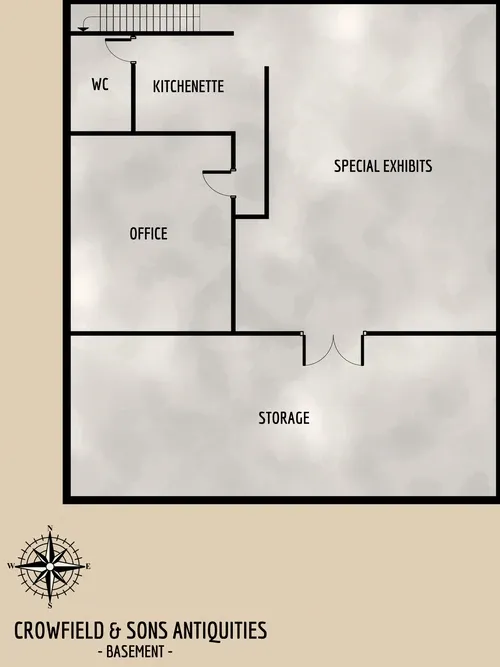
The appraisal ledger, which he found wedged beneath a case of Roman glass, was filled out in Aldous Crowfield’s hand up to the night he died—then continued in the same handwriting for every day since. Each entry recorded an item acquired, a source named, and a column marked “settled” that crept from balance toward a figure Edmund could not parse. The most recent page, dated the morning of his arrival, listed his own name beside a lot number and the notation “appraiser on-site—valuation pending collection.” Beside it, in a fresher hand, someone had drawn the floor plan of the basement and marked a single aisle with his initials.
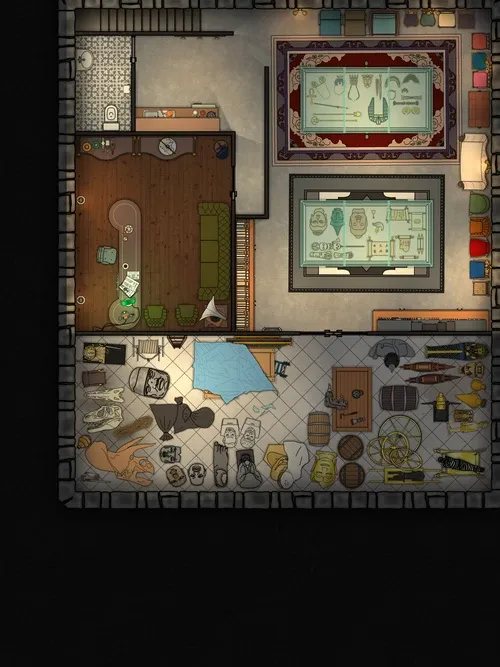
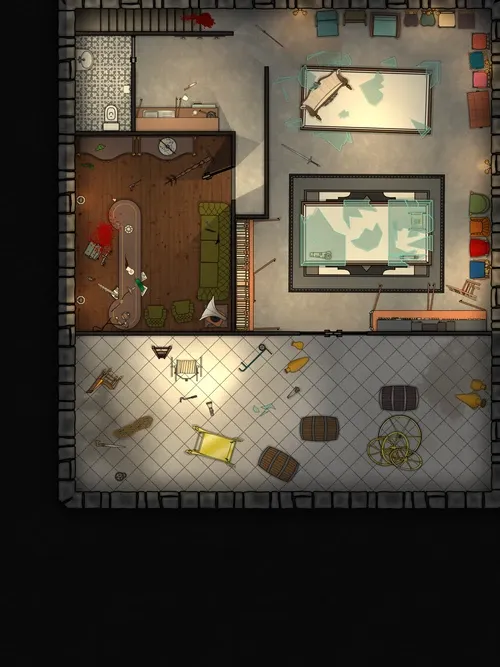
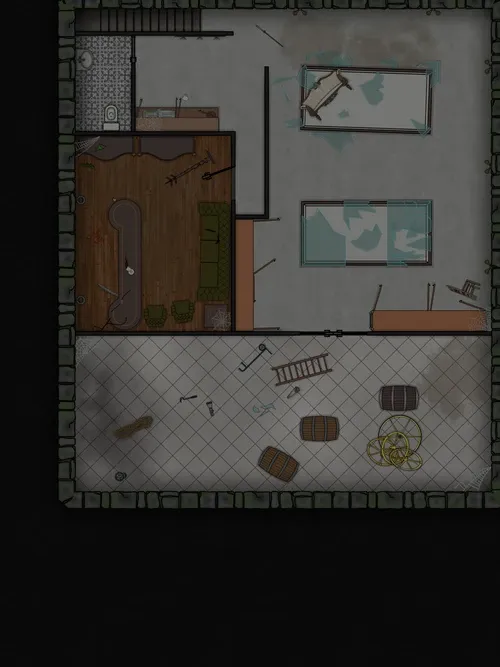
He descended the basement stairs with his lantern held ahead of him and found the vaults far larger than the shop’s footprint should have allowed. The shelves ran deeper here, holding what the ground floor had only hinted at: crates packed in salt, funerary wrappings woven from something that was not linen, and at the aisle marked with his initials, an empty case lined with velvet already worn to the shape of a man his height and build. Among the nearest shelves stood a figure in Aldous Crowfield’s cardigan, its sleeves rolled to the elbow, one salt-cured hand resting on the magnifying loupe it offered toward the light. It turned the loupe toward Edmund the way an appraiser offers an instrument for inspection, and the eye pressed against the far side of the glass blinked once and did not close.
At dusk the county clerk found Edmund’s valuation report on the appraisal desk, completed and notarized, the inventory now finished. Every case on the ground floor bore his countersign in fresh ink. The ledger had a new entry in his own handwriting—one lot settled, the balance tipped—and the Phoenician mask in the window had ceased its weeping, its fracture now smooth as though it had never been broken. The shop was quiet, the clockwork automaton still at its post, and out beyond the basement door the oldest consignors were moving at last, arriving on time for the collection the ledger had promised them decades ago.

Your cart is empty
Browse Maps