Why do the exhibits at the Arkham Historical Society keep rearranging overnight, as if unseen curators are preparing for a visitor no one has invited? Why are donor ledgers filled with names that match missing persons reports? What is sealed beneath the archives where no catalog entry exists? Why do portraits in the reading hall seem to watch investigators from different angles each time they pass? And why do the gallery bells ring a thirteenth time whenever someone asks about the society's founding collection?
Follow Cthulhu Architect on BlueSky!
“The most effective way to destroy people is to deny and obliterate their own understanding of their history.”
― George Orwell
Eliza Ward accepted the archivist post at the Arkham Historical Society for one reason: the pay was steady and the building closed before midnight. By the end of her first week, she learned the second part was untrue.
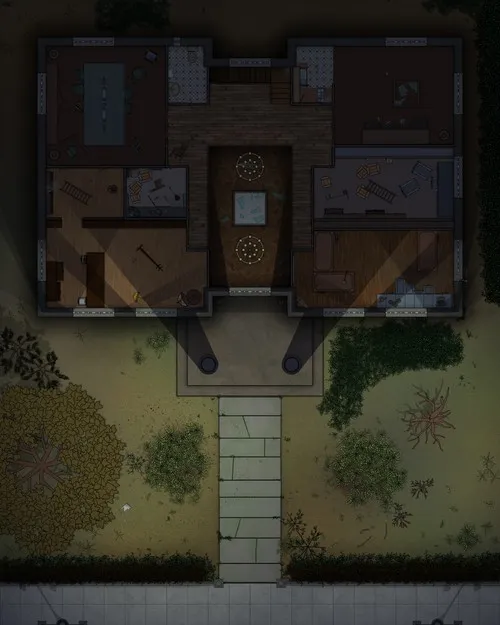
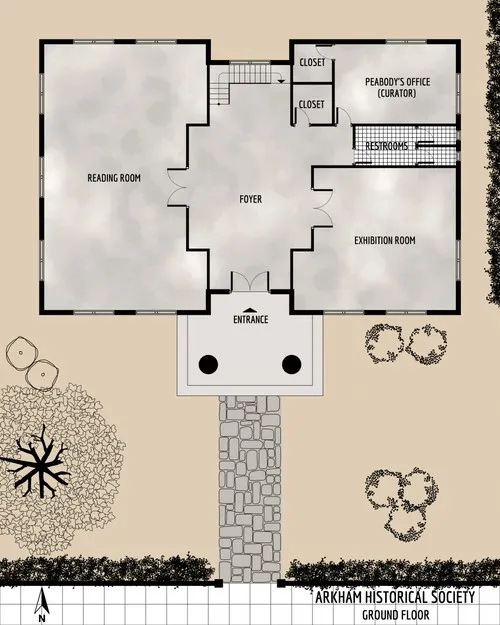
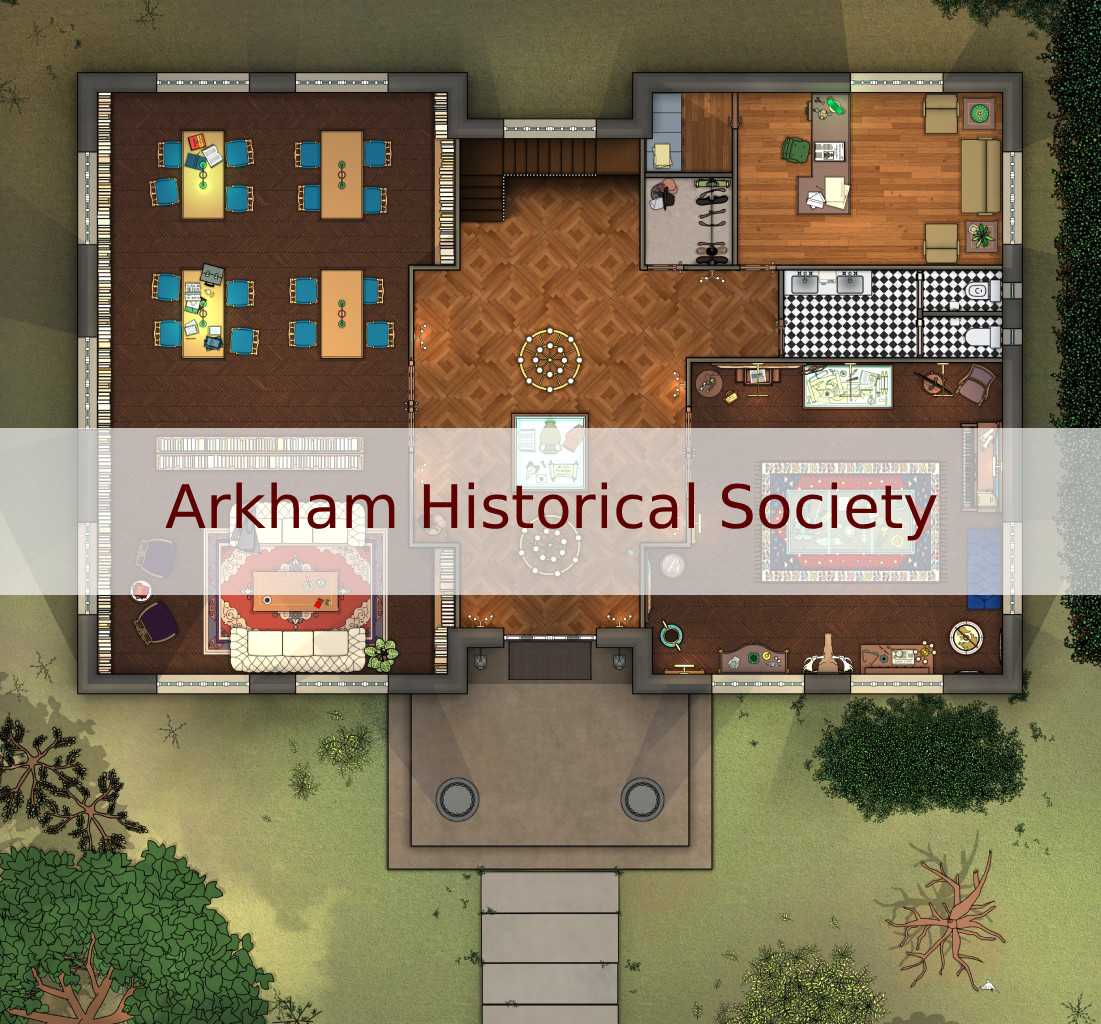
At first it was only the catalogs. Volumes she filed under local shipping records returned to shelves marked funerary customs. Portrait studies appeared in the exhibition room. A ledger of donors listed names she recognized from cemetery stones outside Kingsport and burial notices older than the society itself. When Eliza corrected the entries, the ink bled into unfamiliar initials by morning.
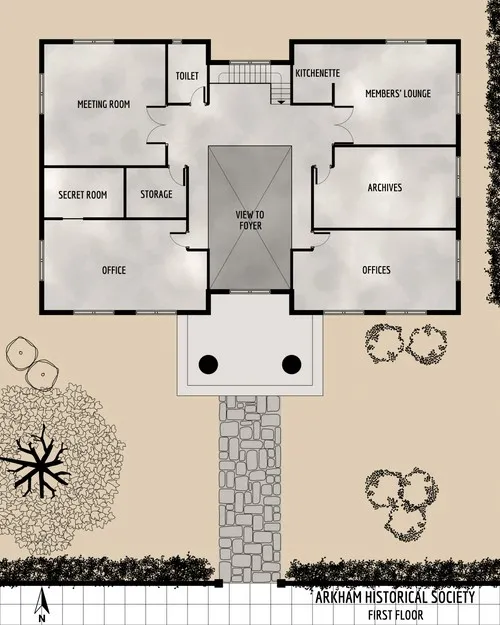
Director Peabody called it “settling dust” and instructed her not to inventory the restricted stacks. He said the sealed archive wing was unstable, full of warped stone and water damage from an old flood. Yet each dawn, she found wet footprints on the central stair, narrow and bare, ending at the locked bronze door beyond the reading hall.
The members’ lounge changed next. Chairs turned toward empty corners. Fireplace portraits shifted expressions between tea service and close. In one canvas, the founder’s ring moved from his right hand to his left; in another, an unnamed benefactor appeared where no figure had stood before. Eliza began sketching every frame before closing, and every morning her sketches were wrong.
Then came Professor Dane, a patron with a silver cane and no recorded appointment. He requested a folio titled On Tides Beneath Cities and produced a borrowing card stamped with the society seal in a style retired decades ago. When Eliza checked the accession number, the registry page had been cut cleanly from the binding, leaving only a note in the margin: RETURN BEFORE THE THIRTEENTH CHIME.
On a rain-lashed Thursday, the service bell at her desk rang thirteen times at 9:12 p.m. Every bell in the building answered in sequence: gallery, archives, curator’s office, and finally the restricted wing. The bronze door unlatched on its own. Cold air rose through the frame carrying salt, candle wax, and something older than either. Peabody appeared behind Eliza and told her to go home, but his shoes were wet to the ankle and black grit clung beneath his cuffs.
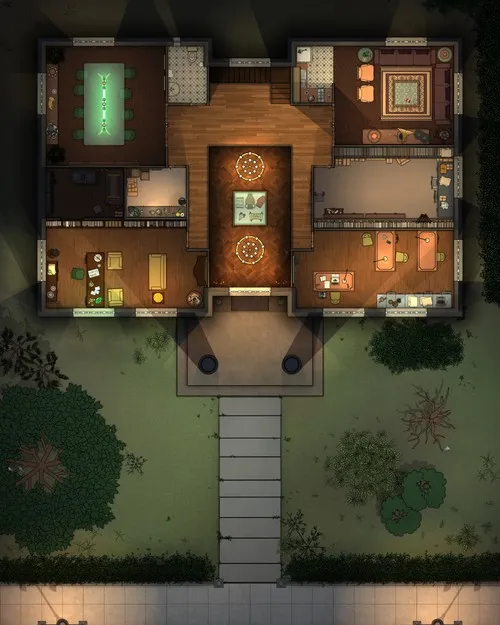
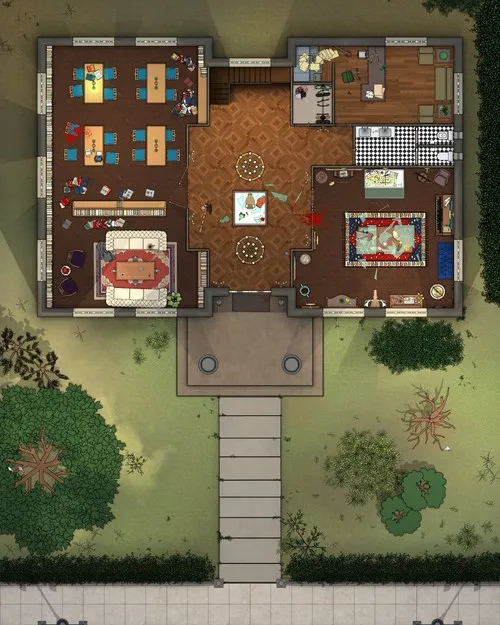
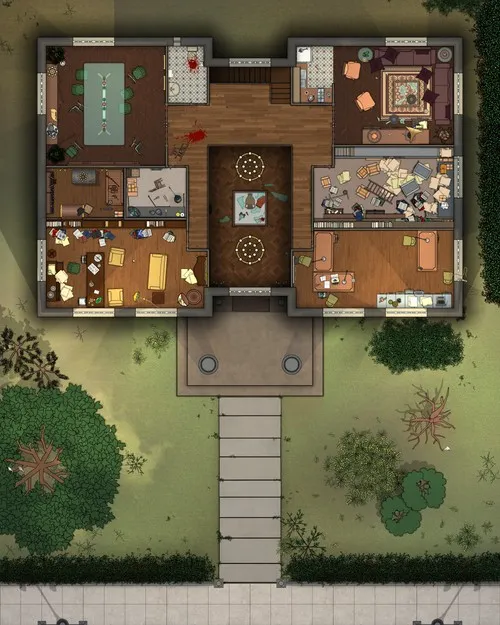
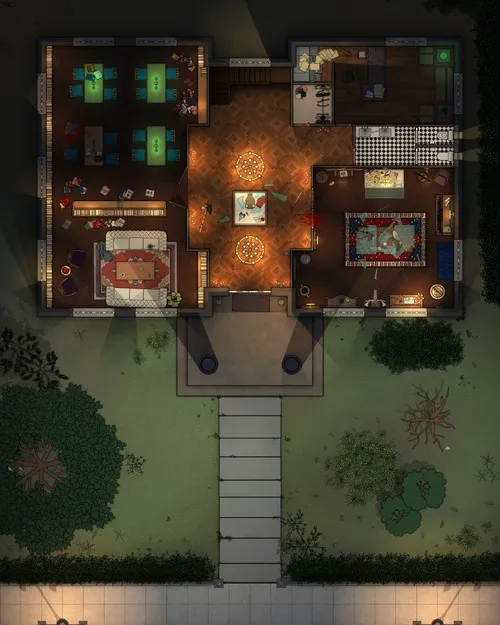
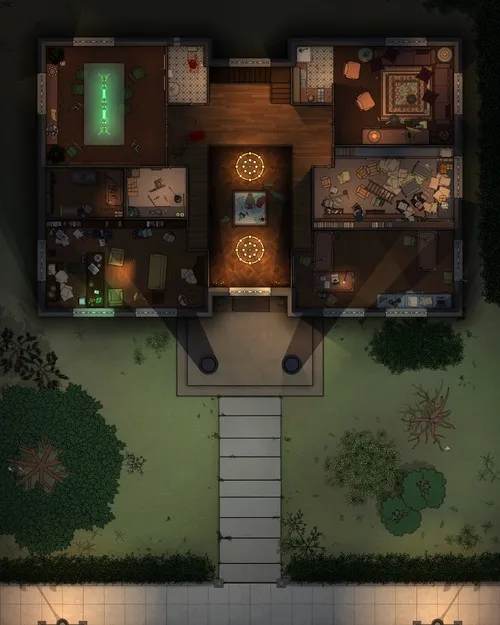
She followed the unlatched door anyway. The corridor should have ended in storage, yet it opened onto a circular vault lined with display cases facing inward, each case empty except for identification cards describing items that did not exist: “Map of the First Shoreline,” “Lantern of the Drowned Curator,” “Guest Register, Final Admission.” At the center stood a long table set for twelve, though only eleven chairs cast shadows.
In the twelfth place setting lay her own employment contract, signed in ink she did not remember using and dated three years in the future. Beneath it, today’s newspaper listed the Historical Society as closed indefinitely after a fire that had never occurred. When she looked up, figures stood between the cases, dressed like trustees from old photographs, their faces blurred as if varnished over too many times.
Eliza fled at dawn and handed in her keys. Peabody accepted them without surprise, then returned one small brass key engraved with Stack B-13. “You can resign from payroll,” he said, “not from the collection.” That evening, as fog swallowed the street lamps on Miskatonic Avenue, she heard thirteen bell tones roll out from the society again, and a page in her coat pocket turned itself as though inviting her to continue reading.

Your cart is empty
Browse Maps