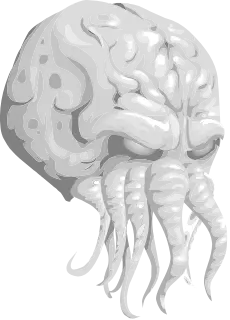
Why does Gate 13 begin boarding flights that were never scheduled? Why do passengers line up in perfect silence when no announcement has been made? What destination is printed on the boarding passes that no one will read aloud? Why do jet bridges connect to aircraft that vanish from the runway cameras? Why do the terminal windows show departures under stars no one recognizes? And why do the loudspeakers keep calling your name after the last boarding group is gone?
Follow Cthulhu Architect on BlueSky!
“Did you ever notice that the first piece of luggage on the carousel never belongs to anyone?”
― Erma Bombeck
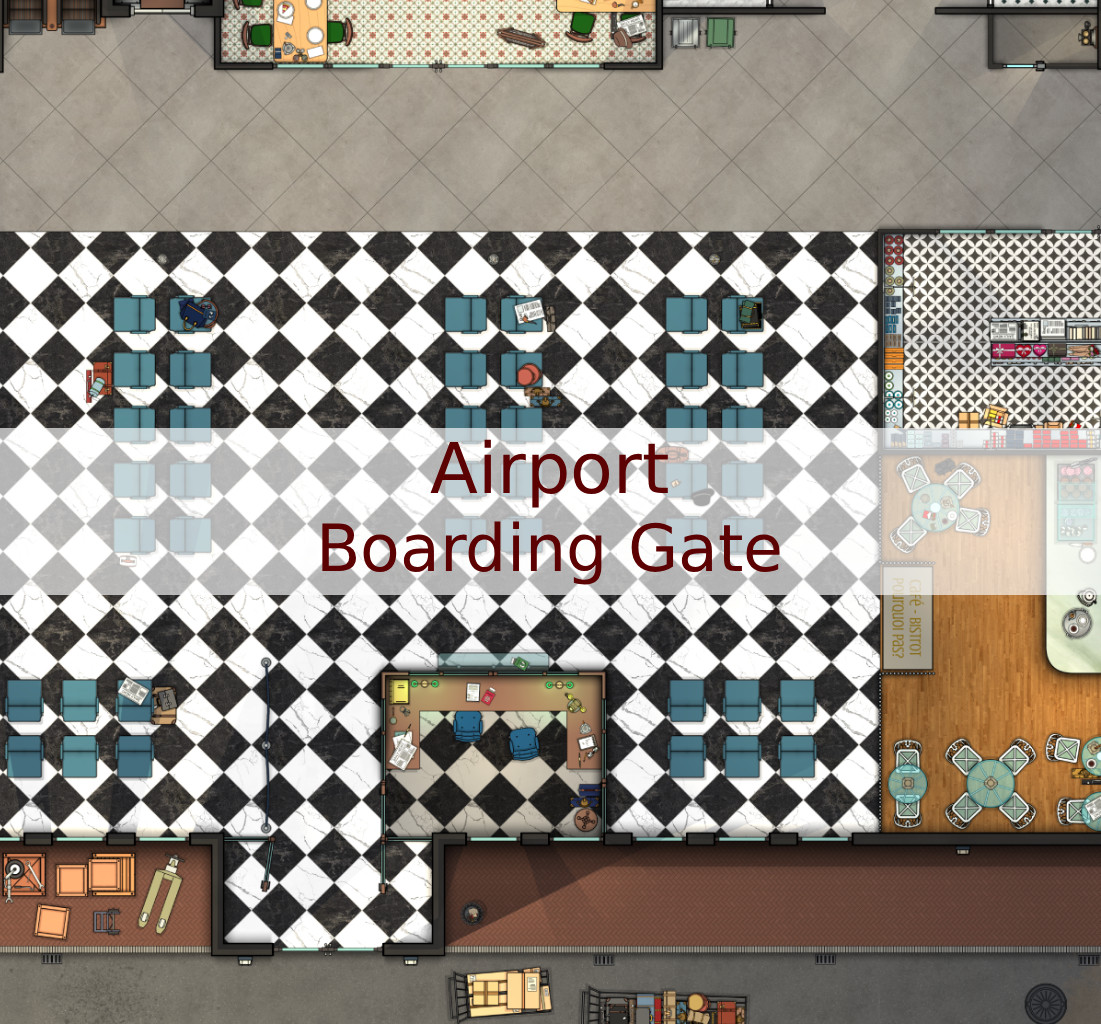
Samantha had worked the night shift at Gate 13 for six months before she noticed the pattern. Passengers arrived with valid boarding passes, stood in perfect lines, and waited for announcements no one made. When boarding finally began, they stepped down the jet bridge in silence and were never seen on arrival manifests. The supervisor, Mr. Chen, called it a clerical delay and told her to keep scanning tickets. But Samantha had seen their faces—the way their eyes went glassy when the gate display flickered, how they stared at the terminal windows as if something outside was calling them by name.
It was the departure board that first made her suspicious. Just before dawn, Mr. Chen would clear Flight 13 from the screen and replace it with “ON TIME,” even on nights when no flight had ever been scheduled. The monitor over the gate would refresh in stuttering flashes, and every update looked different depending on who was reading it. When Samantha tried to focus on the destination, the letters blurred and rearranged themselves into symbols that made her skin crawl.
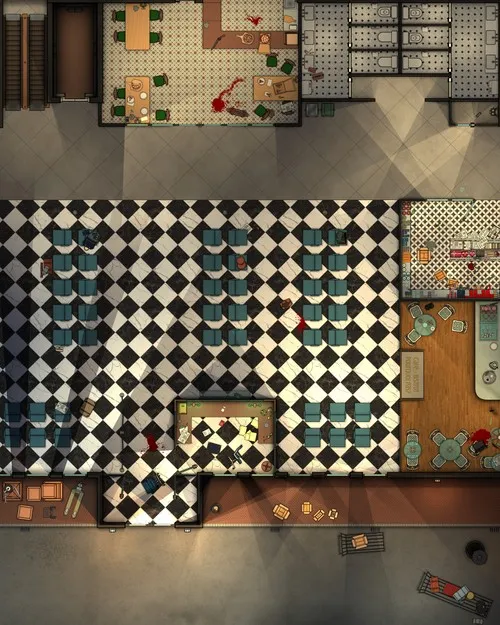
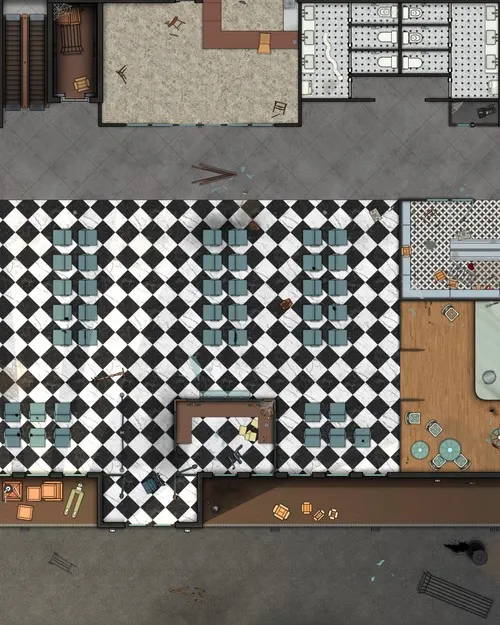
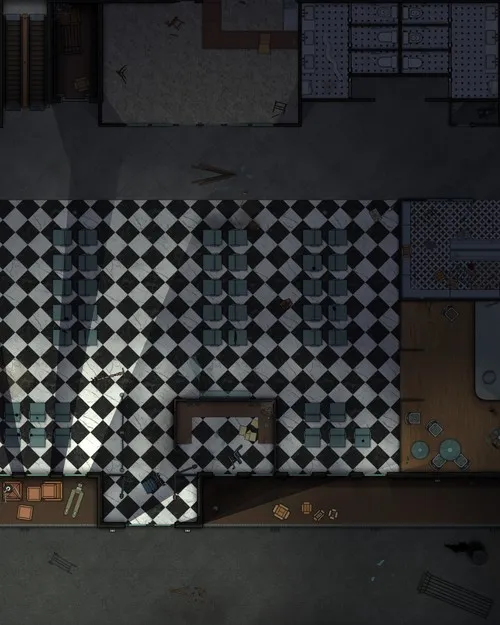
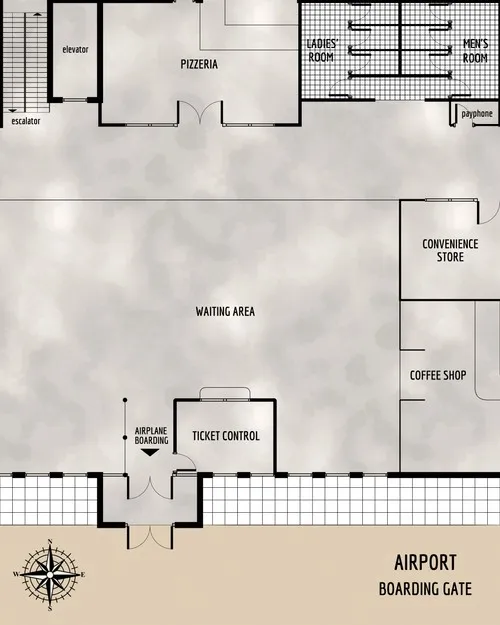
The concourse itself seemed to change during the night shift. Gate numbers swapped places between rounds, jet bridges extended with no aircraft on the tarmac, and Samantha heard boarding chimes from speakers that were supposedly powered down. Walkways moved against the flow of passengers, carrying no one toward locked doors that should have opened to nothing but maintenance corridors.
The gate windows were the worst. During the quiet hours between departures, Samantha would catch her reflection doing things she hadn’t done—waving passengers forward while she stood still, lifting the scanner when her hands were at her sides, sometimes smiling with a mouth that moved a second too late. Other staff blamed fatigue, but Samantha noticed how ramp crews refused to service Gate 13 directly, leaving equipment near the service door and walking away without looking back.
The night everything changed, a couple arrived at Gate 13 already carrying boarding passes with no airline logo. They looked like ordinary travelers, tired and polite, but when Samantha scanned their codes the reader displayed a timestamp from next week. As she handed the passes back, the woman’s fingers brushed hers, and Samantha felt a cold, dead pressure that lingered long after the touch. The couple smiled, thanked her, and walked down the jet bridge before the boarding group was called.
By three in the morning, Samantha heard screaming from the jet bridge. She called operations, but every line rang into static. When she ran to the door, the concourse had changed. The hallway stretched impossibly long, Gate 13 sat where Gate 9 should have been, and the neighboring gates stood open to boarding areas that should not exist—angled rooms too large for the terminal, windows looking out on runways under unfamiliar stars.
The couple never appeared on any arrival list. Mr. Chen marked them as “boarded” and told Samantha not to ask questions about Flight 13 again. But the gate windows now showed her older, exhausted, as if years had passed between departures. When she tried to clock out and leave, she found herself back at the scanner, the boarding beep already sounding in her hand.
She tried to quit the next day, but Mr. Chen just smiled and handed her a fresh gate agent jacket. “You’re part of Gate 13 now,” he said, voice low and final. “It keeps boarding whether planes arrive or not. You can call names, or it will call yours.”
Samantha returned that night because she had no choice. The gate was waiting, and whatever accepted passengers for Flight 13 had been waiting for her all along. Each shift, the route to the parking lot seemed farther away, while the jet bridge door stood closer. Soon, she knew, she would forget there had ever been anything beyond the windows and the impossible departures that led nowhere.
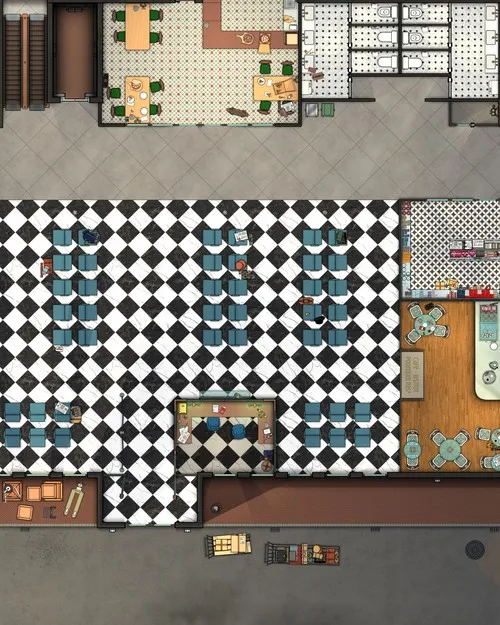
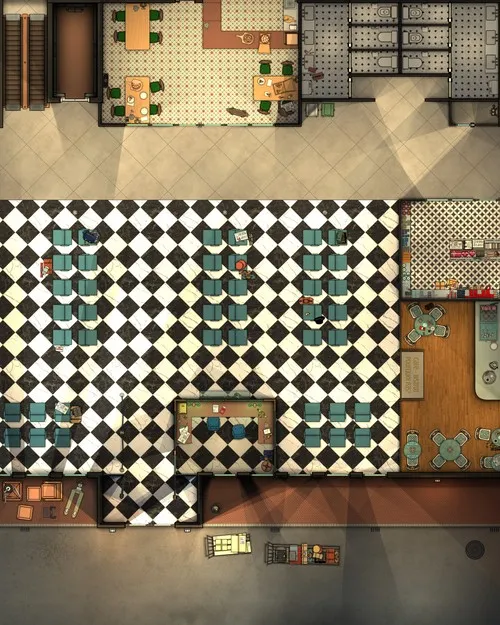
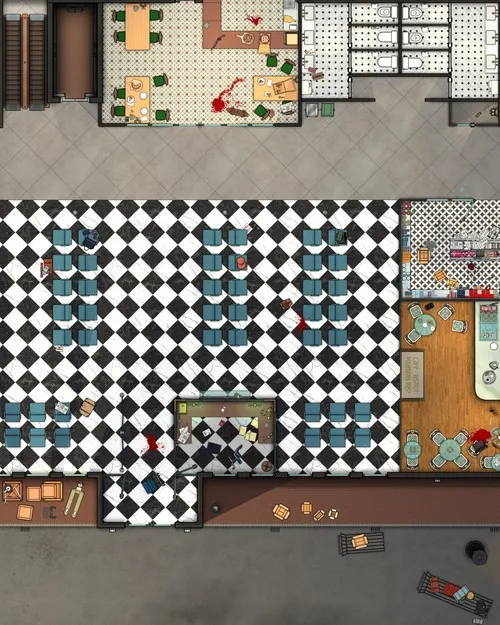


Your cart is empty
Browse Maps